
Three hundred editions.
As I sit down to write Pasture Posts #300—right on the doorstep of Thanksgiving week—it’s hard to wrap my head around how far we’ve come since Newsletter #1. Week after week, through blistering summers, muddy winters, breakdowns in the shop, and big milestones in the pasture, we’ve been sharing the honest, unvarnished story of what happens out here on our family farm near Lowrys, South Carolina.
For this 300th edition, I wanted to step back from the usual weekly chore report and tackle a question that sits right at the heart of everything we do—one that folks across the country ask every time they compare pasture-raised meat to the supermarket meat case: Why does real, farm-direct meat cost more than the grocery store—and is clean food only for the wealthy?
It’s a fair question, especially when family grocery budgets are stretched tight. And as we head into a week built around gratitude and gathering around the table, I want to give you an honest look behind the curtain at what actually goes into the price of your food.
The Myth of the “Wealthy” Landowner
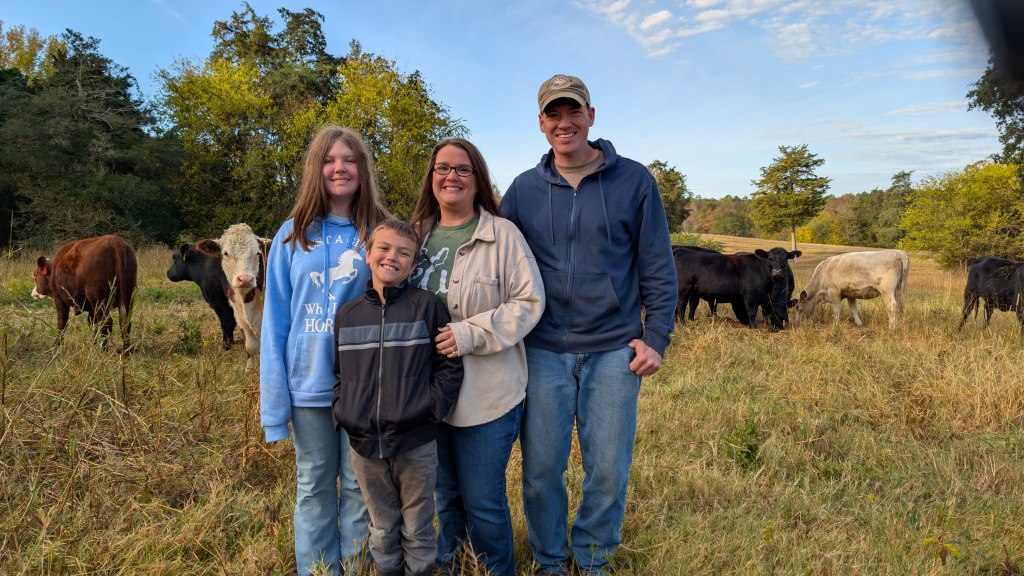
Most of our longtime customers already get how small-scale agriculture works, because you’ve followed along with us for years. But out in the broader public, there’s a stubborn misconception that if a family farms a few hundred acres, owns tractors, and has barns standing in the field, they must be sitting on a pile of wealth.
The reality for most working family farms—ours included—looks very different.
Like most families trying to build something lasting, we carry a mortgage on our land, and almost all of our buildings and equipment are financed right alongside it. We don’t share that looking for sympathy—we love this work, and we’re grateful for the chance to steward this fourth-generation farm. We share it because understanding the real overhead of keeping a small farm alive explains a lot about what shows up on the price tag.
Just take a look at two of the biggest line items we’ve been wrestling with behind the scenes over the last four years:
- Insurance of all types (including workers’ comp, farm, and liability): In 2022, our total insurance costs across the farm came to $20,729. So far in 2026—and the year isn’t even over yet—we have already paid $49,067. That is an increase of more than 136% in just four years.
- The cost of cattle: As we shared a couple of weeks ago, the U.S. cattle herd has shrunk to its smallest size since 1951. Back in the fall of 2022, USDA benchmark feeder steers (750–800 lbs) averaged around $173 per hundredweight; in 2026, USDA projections put those same steers averaging $364 per hundredweight, and the younger 400–500 lb weaned calves we source to grow and finish on pasture have recently topped $470 per hundredweight at regional auctions. Simply buying the calves to put out on grass costs more than double what it did just four years ago—long before they ever spend a full year rotating across our pastures.
Add in independent small-batch USDA processing for our beef and pork, maintaining our on-farm poultry processing facility, diesel, fencing, seed for winter pastures, dry ice and insulated shipping supplies, and paying a hardworking team fairly—and you start to see why small farms operate on razor-thin margins.
Externalized Costs vs. “All Costs Included”
When you see a package of conventional meat at a big-box store for a fraction of the price of pasture-raised meat, it’s easy to assume industrial agriculture has simply figured out how to produce food cheaply.
In truth, industrial meat isn’t cheap at all. It just doesn’t put all of its costs on the receipt. Economists call these externalized costs—expenses that get pushed off the company’s balance sheet and quietly paid by neighbors, taxpayers, communities, and future generations.
Here are a few everyday examples of how that plays out:
- Impacts on neighboring farms and waterways: When tens or hundreds of thousands of cattle are crowded onto bare dirt feedlots, managing massive concentrations of manure becomes an enormous challenge. In dry weather, fecal dust can literally become airborne and drift down the road, creating serious E. coli contamination risks for neighboring vegetable farms. In heavy rain, runoff from concentrated operations ends up in streams and rivers that downstream communities pay to clean up. Out here, our cattle move to fresh grass every single day, spreading natural fertilizer thinly across living sod where soil microbes and plant roots turn it into fertility instead of pollution.
- Taxpayer-funded subsidies: Much of the conventional meat system runs on commodity grain crops backed by billions in federal subsidies and crop insurance programs. That means we’re all quietly paying a portion of the grocery store’s meat bill on April 15th—whether we buy that meat or not.
- Soil depletion vs. soil building: Heavy tillage and chemical-dependent feed production slowly mine topsoil and organic matter over time, passing the long-term bill of erosion and degraded land onto the next generation. No-till cover crops and rotational grazing do the opposite—building topsoil and holding rainwater right where it falls.
- Animal health and nutrient density: Crowded confinement systems often require routine interventions just to manage stress and keep animals moving through the pipeline. Raising animals outdoors in sunshine on fresh, diverse pasture takes more acres, more time, and more hands—but you can taste and see the difference in the final product.
We don’t point any of this out to lecture anyone or look down on how another family shops. We simply believe in honest accounting. When you buy meat from Watson Farms, all the costs are included right there in the price—no hidden bills sent to our neighbors down the road, our local watershed, or our grandchildren.
Is Pasture-Raised Food Only for the Elite?
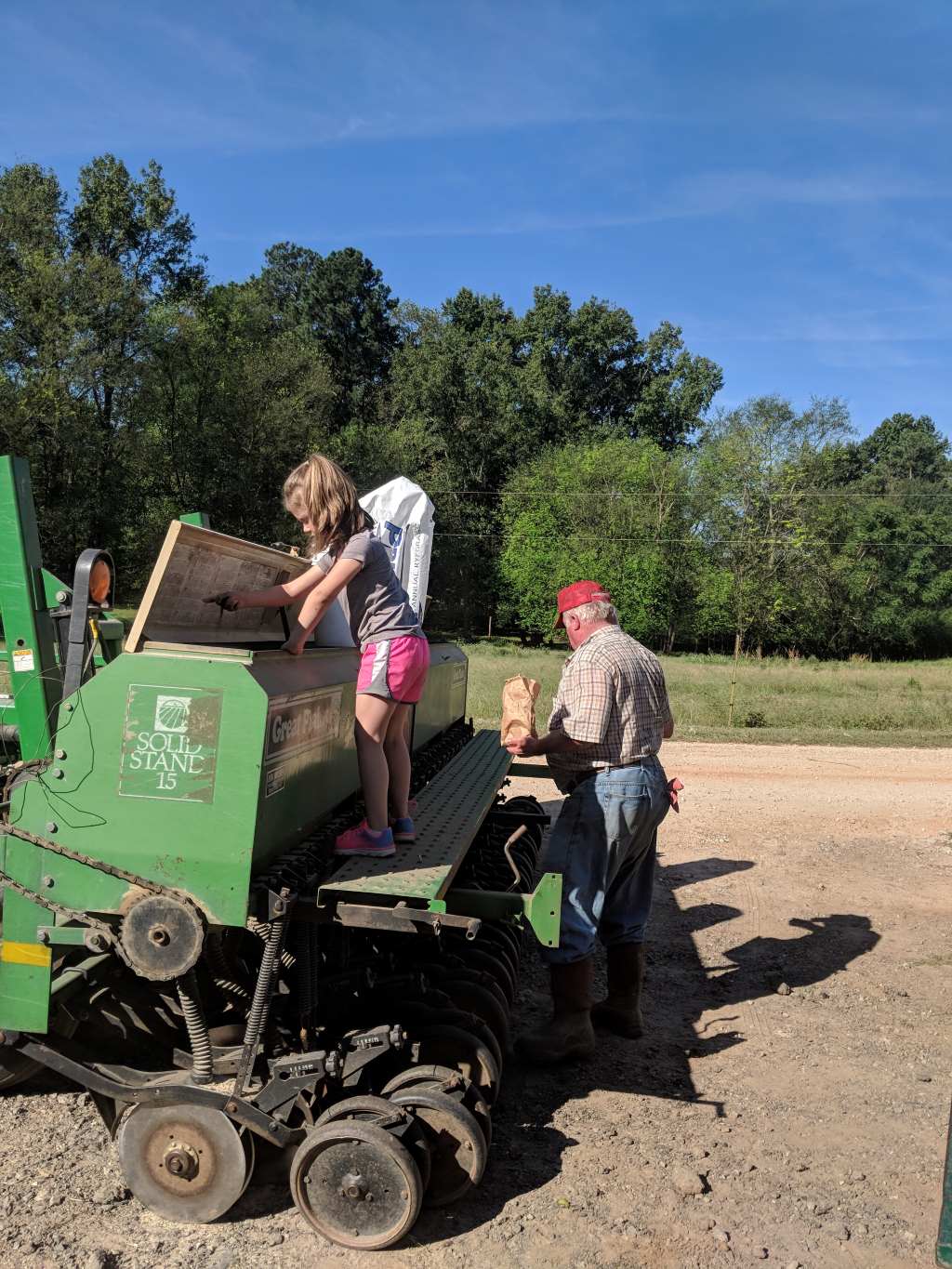
This is the critique you hear most often about farms like ours: “That sounds nice, Matt, but only rich people can afford to eat that way.”
I won’t pretend for a second that feeding a family clean food is effortless right now. Everything costs more these days, and every household has to make tough choices.
What I do know—from talking with so many of you at the Farm Store and reading your notes week after week—is that while our customers come from all walks of life, plenty of them are not wealthy at all. They are hardworking, everyday families who simply decided that clean, nutrient-dense food sits near the top of their priority list.
Some drive an older car a few extra years or skip upgrading to the latest phone. Others realized that skipping even one or two trips through a drive-thru or a casual restaurant meal—which can easily run $60 to $80 for a family of four—frees up enough in the monthly food budget to fill their freezer with honest meat cooked right at home.
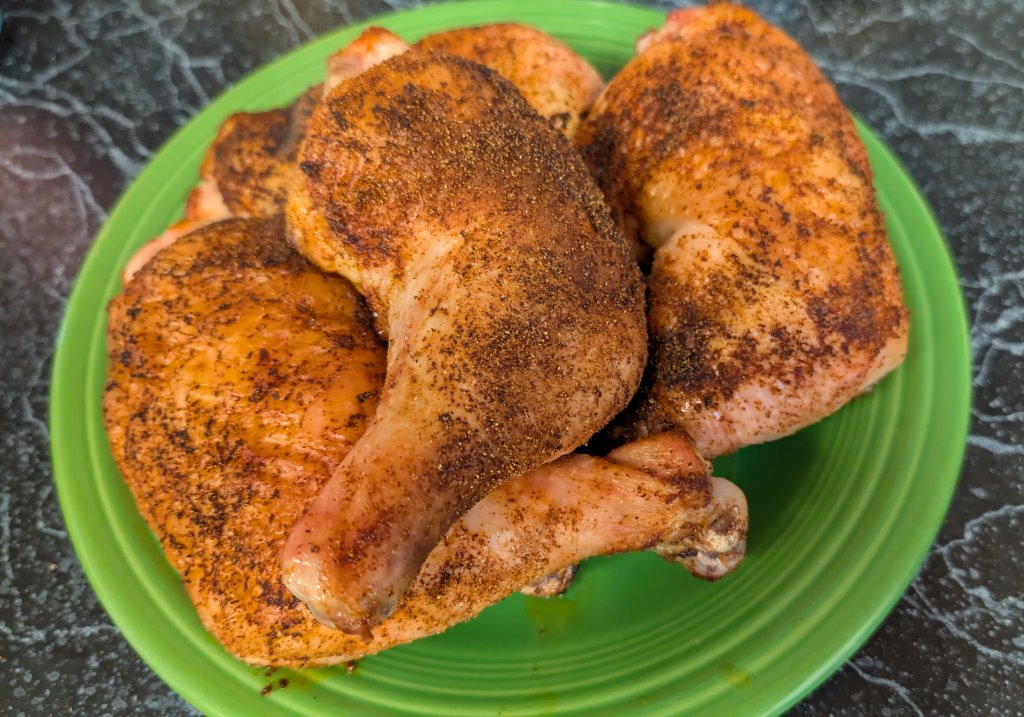
And you don’t have to buy ribeyes every week to eat well from our farm. Stretching a budget with pasture-raised meat usually comes down to a few simple habits: leaning into flavorful, versatile cuts like chicken leg quarters, ground beef, and slow-cooker roasts; buying in bundles to lower your cost per pound; and using every bit of what you buy (like simmering chicken bones into rich homemade broth).
300 Editions of Gratitude
As Thanksgiving arrives this Thursday, I want you to know how deeply Kelly, our kids, my parents, and our entire team appreciate every single order you place.
Keeping a fourth-generation family farm running in 2026 is not easy. There are plenty of weeks when the paperwork, insurance renewals, and rising cattle markets feel heavy. What keeps us going—and what makes 300 editions of Pasture Posts possible—is knowing that our food is landing on your kitchen table, nourishing your family, and connecting you directly to the land and people who raised it.
From all of us here in Lowrys, we wish you and your loved ones a warm, peaceful, and deeply joyful Thanksgiving.
🍗 Product Spotlight: Our Best-Value Everyday Bundles
Looking for the smartest ways to keep pasture-raised meats in your regular meal rotation without stretching the budget? These customer-favorite bundles deliver tremendous flavor and value:
- Leg Quarter Bundle: One of the lowest price-per-pound bundles we offer—12 vacuum-sealed packs (24 total leg quarters) of truly pasture-raised chicken. While our boneless/skinless breasts are always a huge hit, plenty of folks actually prefer dark meat for its richer flavor, juiciness, and forgiving cook time. Subscribe to save an extra 5%!
- Pasture Pair Bundle: A straightforward, lower-cost way to stock up on everyday farm staples without overthinking your order.
- Patty Maker Bundle: Built around our most versatile 100% grass-fed beef staple—perfect for quick weeknight skillet burgers, tacos, chili, and casseroles.
- Build a Bundle: Want full control over your budget and your freezer? Mix and match your family’s favorite value staples and lock in 5% savings on every recurring delivery.
🎁 Planning Ahead for Christmas? Browse our 2026 Holiday Gift Guide for curated gift boxes shipped across the lower 48 with custom gift notes—ideal for the people on your list who “don’t need another thing.”
“This farm is awesome, for real meat at a decent price provided by people that actually care for the animals so you get good healthy food. I appreciate the work your farm puts in. My family loves your farm. Thank you for your choice to go the route you have. I recommend your farm to everyone.”
🚚 Thanksgiving Week Shipping Deadlines & Store Hours
⚠️ THANKSGIVING LAST-CALL (1-Day Ground Zones ONLY): Our cutoff for 2-Day Ground and Express zones (Tue, Nov. 17) has passed, but if you are in a 1-Day Ground zone, you have until TONIGHT — Sunday, November 22 at 11:59 PM for our final Thanksgiving dispatch on Monday, November 23.
Because carriers do not operate on Thanksgiving Day, shipping pauses after Monday, Nov. 23 to avoid transit delays and resumes the week of Monday, November 30. View Full 2026 Holiday Shipping & Store Schedule »
📦 Orders for Shipping (Insulated with Dry Ice)
- Free Shipping on all orders over $199!
- Sitewide minimum order subtotal: $125.
- Orders under $199 ship for a flat rate of just $12.95 (Express zone customers pay $15).
- Orders normally ship out on Mondays – Wednesdays across the lower 48 states. Tracking links are emailed as soon as shipping labels are created.
🚜 Farm Pickup (Always Free!)
If you are local, Farm Pickup is often the fastest way to get your products—especially during holiday weeks. Please wait until you receive an email stating that your order is Ready for Pickup (typically 1 business day after ordering) before heading over.
📍 Farm Store & Pickup Hours (713 Colony Road, Chester, SC 29706):
- 🦃 Thanksgiving Day (Thursday, Nov. 26): Closed
- Monday, Tuesday, Friday: 10:00 AM – 6:00 PM
- Saturday: 10:00 AM – 2:00 PM
- Wednesday & Sunday: Closed
Thanks again for being partners in this endeavor of local, pasture-raised proteins that has truly transformed our farm. We look forward to continuing this transition while serving you long into the future.
Sincerely,
Matt and the Watson Farms Team