Join Our Journey: Better Farming, Better Flavor

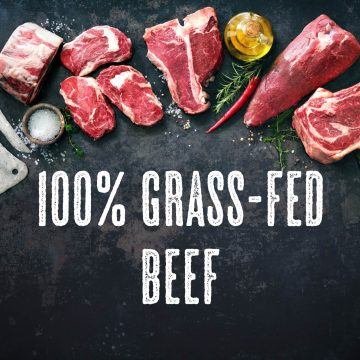
✓ 100% USA Grass-fed Beef
✓ No Confinement, Crates, Cages, or Feedlots
✓ Naturally Raised, Non GMO, mRNA-free

Learn More

Shop by Category

Best Sellers

On Sale

From Our Pasture To Your Porch

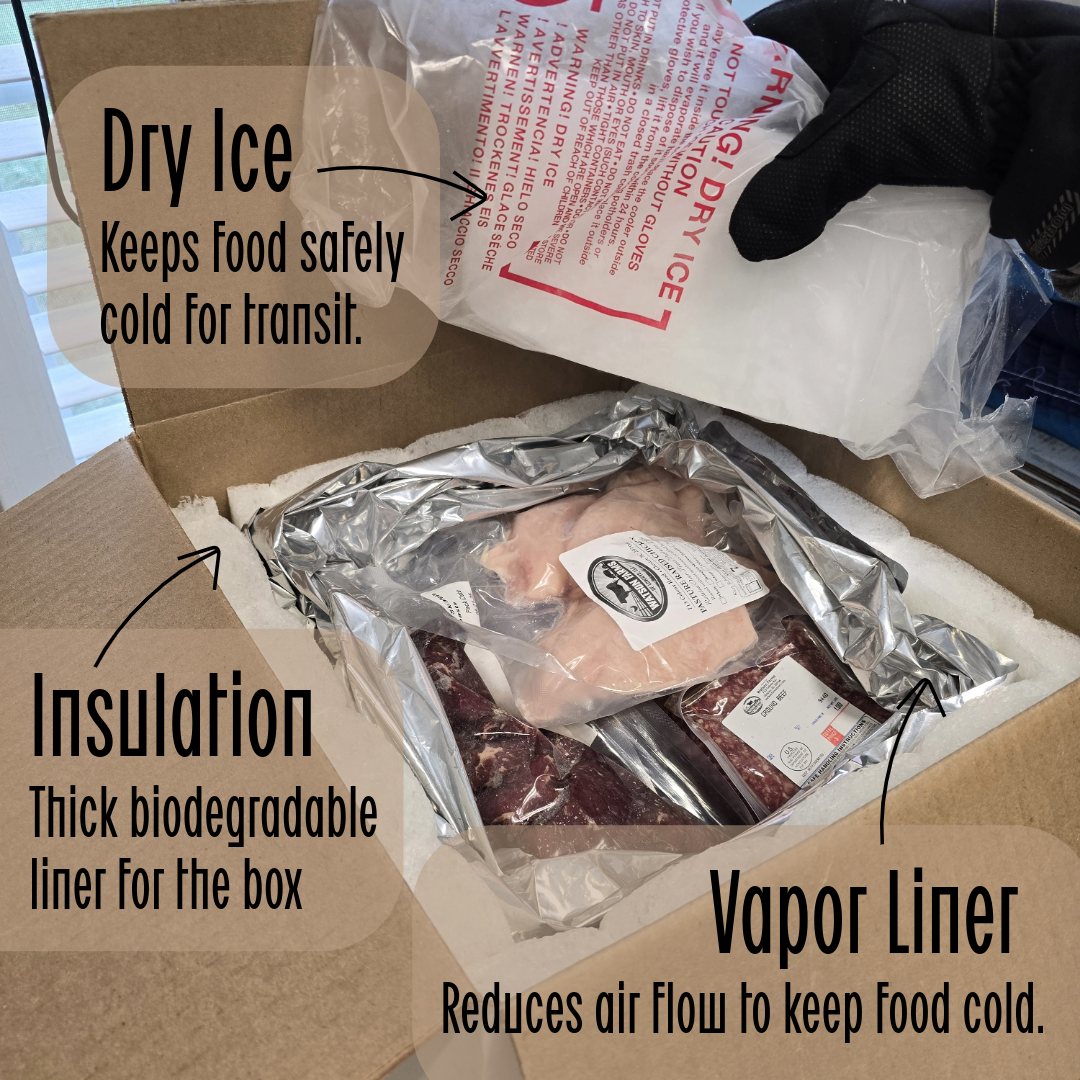
Whether you live just down the road from our Chester, SC farm or a few states away, we’ve perfected the art of cold shipping. After sending thousands of packages directly to families like yours, we feel completely confident that your order will arrive cold, safe, and ready for your freezer—no matter the season.

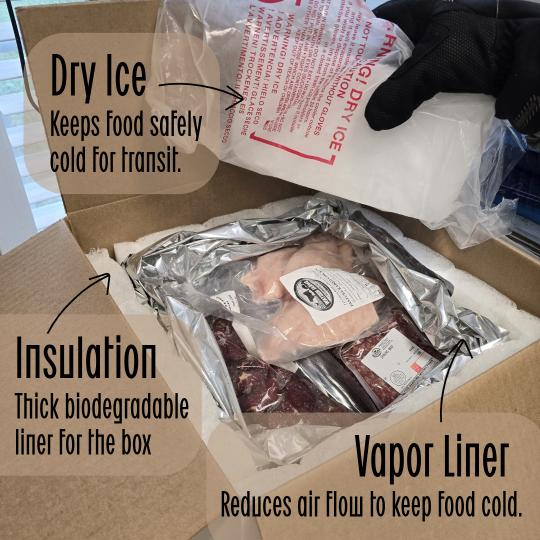
  1. Insulated Thermal Liner
    – Our heavy-duty shipping boxes are outfitted with a high-performance insulation barrier. This creates a powerful shield that blocks out external heat and maintains a miniature deep-freeze environment for the entire journey.
  2. Protective Foil Layer
    – Tucked safely inside the insulation is a specialized foil liner packed tight with your 100% grass-fed beef, pastured pork, or pastured chicken. This layer minimizes air transfer and locks sub-zero temperatures directly against the meat.
  3. Sub-Zero Dry Ice
    – The final step before sealing. We place fresh dry ice directly on top of your order. The exact amount is carefully calculated based on current weather forecasts and your distance from our farm, ensuring a safe delivery even on the hottest summer days.

Recent Blog Posts

Pasture Posts #286

The Science Behind the Green “Contrails”

Hello friends,

Whenever visitors hop on the haywagon with us during a Farm Day tour, there’s usually a moment where someone points to the ground directly behind our mobile hoop shelters and asks, “Is the grass supposed to look like that?”

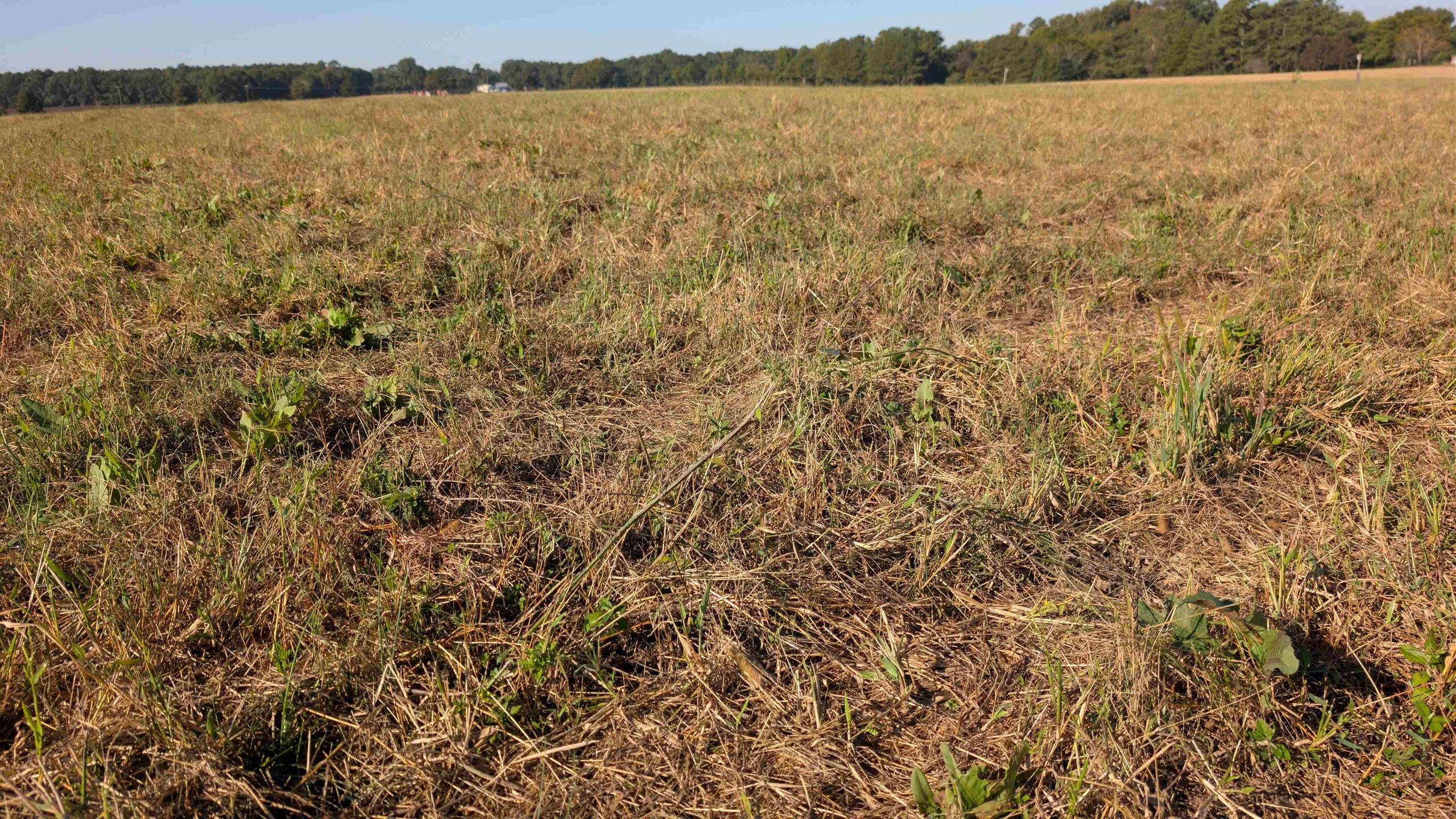
In the first 24 hours after our flock moves to fresh grass, the patch they just left looks brown, flattened, and scratched up. To someone seeing a rotational pasture for the first time, it can look like the soil was temporarily ruined.

But on a living pasture, that brief, high-impact disturbance is actually the spark plug for biological regrowth.

High-Impact Disturbance vs. Overgrazing

Our mobile shelters mimic the natural movement of wild bird flocks:

  1. Intense Fertility Pulse: In just 24 hours, the flock leaves behind a concentrated deposit of rich, high-nitrogen organic manure.
  2. Thatch Clearing: As they scratch for bugs and seeds, they clear away dead plant material so sunlight can reach the root crowns.
  3. Rest & Recovery: Before any overgrazing or soil degradation happens, the shelter moves forward to a fresh patch of grass.

When a summer rain hits that disturbed ground a few days later, soil microbes go into overdrive. What looked trampled and brown on day one turns into the darkest, thickest, most nutrient-dense green forage on the entire farm by day seven.

Continue reading Pasture Posts #286

Kelly’s Midweek Update #55

Here’s a midweek update from Kelly with Watson Farms, keeping you connected with your farm.

Hey Watson Farms Family,

Yesterday was a big hay day around here, and it took a full team effort to get it done!

We had three generations out in the field working together from 12:30 PM until 7:15 PM, finishing up just as the dark storm clouds began rolling in. Talk about beating the clock! It was a long, full afternoon, but seeing everyone pitch in made it special. Abby was out there raking, Gary and Noah were running the baler, and Matthew was busy hauling and wrapping every single bale.

By the time the rain started, we had 56 beautiful bales safely put up!

What makes these bales so special isn’t just the hard work that went into harvesting them—it’s the way this pasture was built over the last few months.

If you visited the farm between April and July, you might have seen three of our mobile chicken shelters out in that exact field. Every single day, those houses get moved about 50 feet (the length of the coop) onto a fresh patch of grass. This gives the chickens daily access to fresh forage and bugs, while they leave behind rich, natural fertilizer.

When you combine that daily chicken rotation with our cattle grazing the same pasture, the soil gets an incredible boost of natural nutrients. After giving the field a well-deserved rest, all that natural fertility produced the thick, nutrient-dense grass we harvested yesterday. It’s amazing to watch how each group of animals plays a part in building healthy soil!

Honest Harvest Chicken Sale!


Speaking of our pasture-raised chickens and the wonderful work they do for our farm ecosystem, this is a great time to stock up!

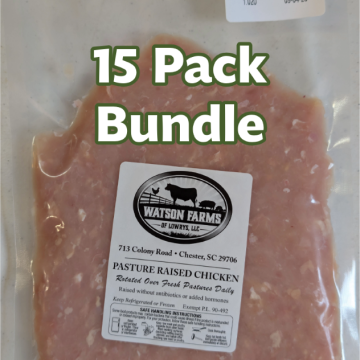
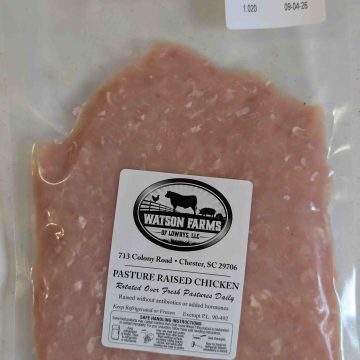
Our Honest Harvest Chicken Sale is happening right now. If you’ve been looking to fill your freezer with clean, nutrient-dense chicken raised on fresh grass every single day, now is the perfect time to order.

Head over to the website or stop by the farm store to grab yours while the sale lasts!

We hope to see you soon!
(A quick reminder: If you’re local, stop by the Farm Store to pick out your cuts in person, or place your online order by Sunday night to ensure it’s in the shipping queue for next week!)
Kelly WatsonThe Farmer’s Wife

Pasture Posts #285

Bird Flu, Confinement Barns, and the Power of Fresh Pasture

What Confinement Gets Wrong About Pathogens

If you follow agricultural news at all, you know that the industrial poultry industry is deeply terrified of bird flu (Highly Pathogenic Avian Influenza).

Before our family transitioned to pasture-based regenerative farming, we spent 24 years in the commercial confinement turkey business. We know that system inside and out. In the industrial world, the prevailing belief is that massive, totally sealed confinement barns are the only line of defense. The goal is complete isolation—keeping thousands of birds locked inside to prevent any contact with wild waterfowl that might carry the virus.

Yet, despite all the “biosecurity” protocols, USDA data shows that in 2025 alone, over 53.6 million commercial poultry birds in the U.S. were lost or depopulated due to bird flu.

The industrial model relies on isolation because tightly packed confinement environments leave birds incredibly vulnerable.

Life on Fresh Grass

Our approach on pasture couldn’t be more different. Our chickens live outside on fresh grass every single day.

They reside in floorless, screened-in mobile hoop shelters that provide plenty of space—vastly more room per bird than any industrial barn—while protecting them from overhead predators like hawks. Wild birds fly over and land on the pasture around them constantly. Our birds aren’t completely isolated from nature.

Yet, pastured poultry producers across the country—including veterans who have raised birds on pasture for over 50 years—simply do not experience the catastrophic, farm-wiping mortality events that plague commercial confinement houses.

While we aren’t microbiologists, common sense and daily observation tell a clear story:

  • Low Density & Clean Air: Our birds aren’t overcrowded or breathing in concentrated, fecal-laden dust 24 hours a day.
  • Fresh Ground: They move to clean ground daily, rather than living for weeks on top of their own accumulated manure.
  • Natural Nutrition: They have constant access to sunlight, bugs, and fresh green grass. Chlorophyll acts as a natural blood cleanser and immune booster.

When animals live in their natural environment with low stress, fresh air, and clean forage, their bodies build natural resilience to the pathogens that wreck industrial operations.

Resilience Across the Entire Farm

That same philosophy guides every animal on our farm:

  • Our Cattle: Moved daily to fresh pasture paddocks, harvesting clean forage and building soil health without feedlot stress.
  • Our Pigs: Rotated continuously through a dynamic silvopasture landscape, enjoying natural shade, fresh ground, and space to root around.

Product Spotlight: The Honest Harvest Chicken Sale

Continue reading Pasture Posts #285