Summer is still holding on strong here in Lowrys, but despite the heat, the pastures are tall, green, and thriving. We have a lot of exciting farm updates this week—including a brand-new product we’ve been eager to share, a full beef restock, and a behind-the-scenes look at how we train new cattle to join our regenerative grazing system.
Brand New: Watson Farms Ground Chicken Has Arrived!
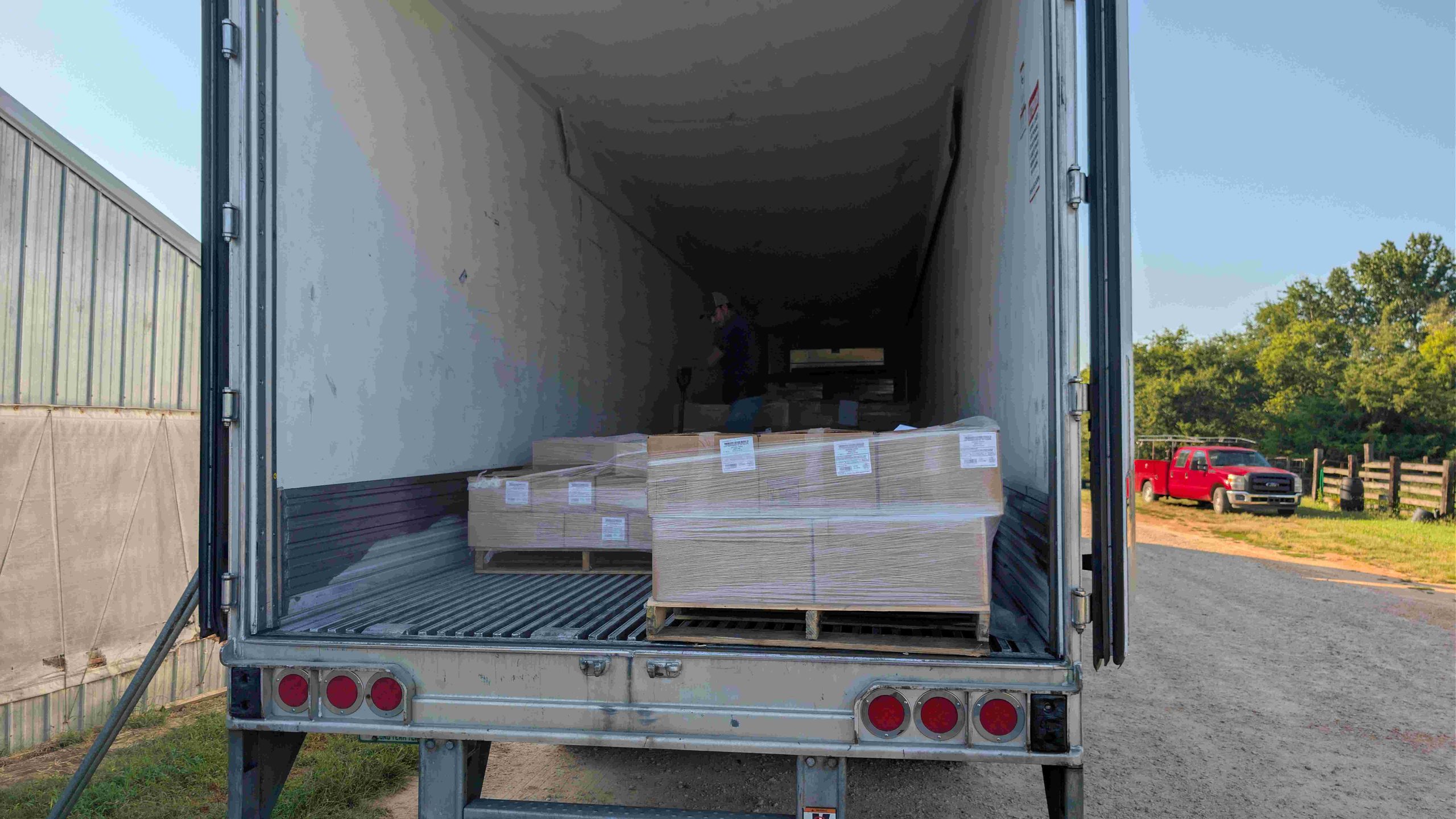
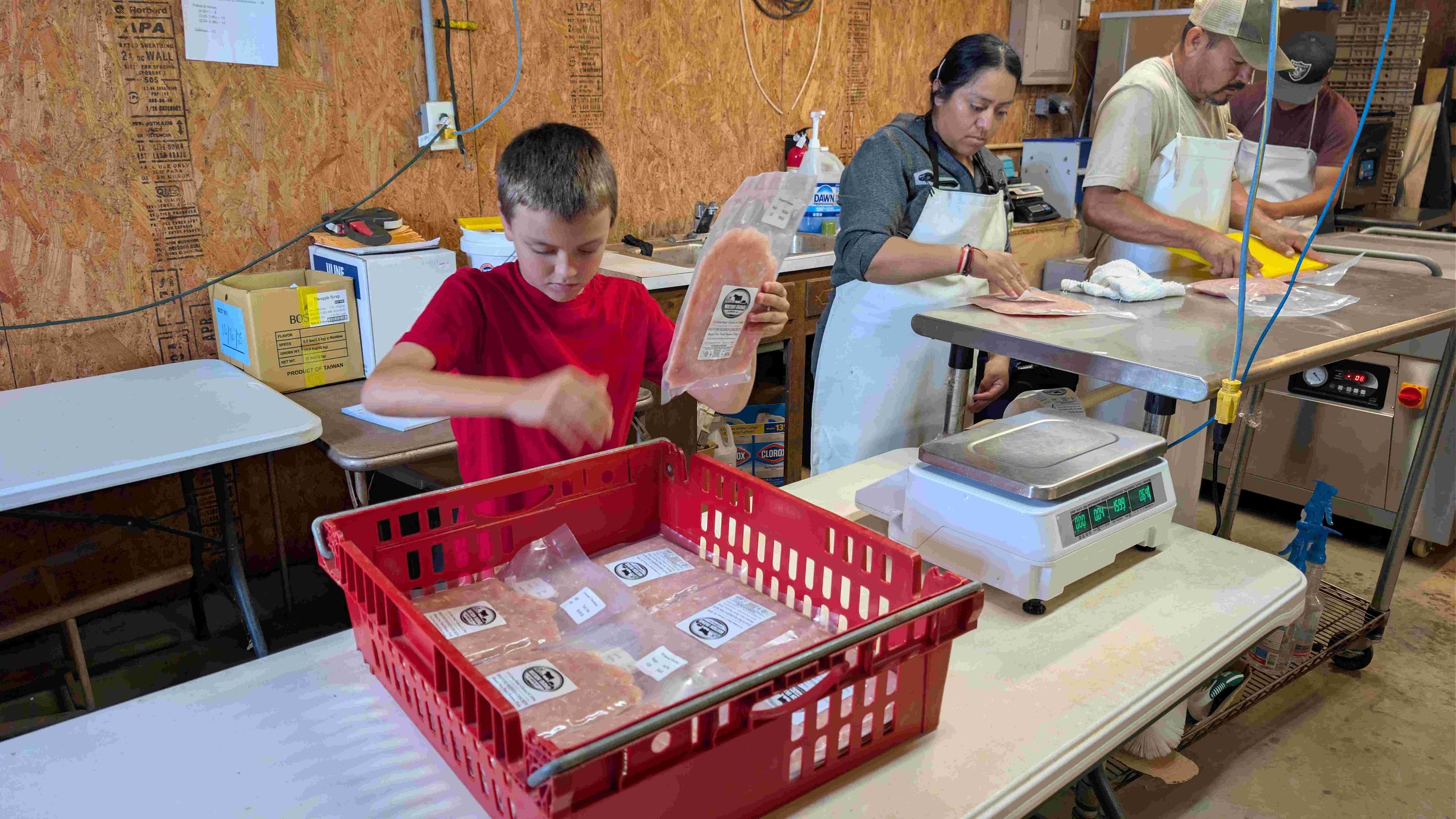
If you caught Kelly’s note earlier this week, you knew something exciting was in the works. On Friday, we ran our very first batch of Watson Farms Pasture-Raised Ground Chicken!
We’ve had requests for clean, pasture-raised ground chicken for a long time, and we wanted to make sure we got the texture and flavor just right. We ground this initial batch using a wholesome blend of boneless skinless breast meat and rich, deboned dark meat from our pasture-raised chickens.
Zero additives: No added water, no sodium solutions, and no fillers.
100% pasture-raised: Clean, nutrient-dense poultry raised outdoors on fresh forage and sunshine.
Kitchen versatility: Perfect for homemade chicken burgers, meatballs, white bean chili, tacos, or quick weeknight lettuce wraps.
Inventory from this first run is limited, so grab yours while this debut batch lasts:
Real food, real people, and why the source matters
Over the past week, headlines about Argentine beef recalls and imported meat controversies have driven a massive surge in folks looking for clean, dependable meat from someone they can actually talk to. It’s always an encouraging reminder of why we do what we do: when the industrial supply chain stumbles, people realize that knowing your farmer isn’t a luxury—it’s peace of mind.
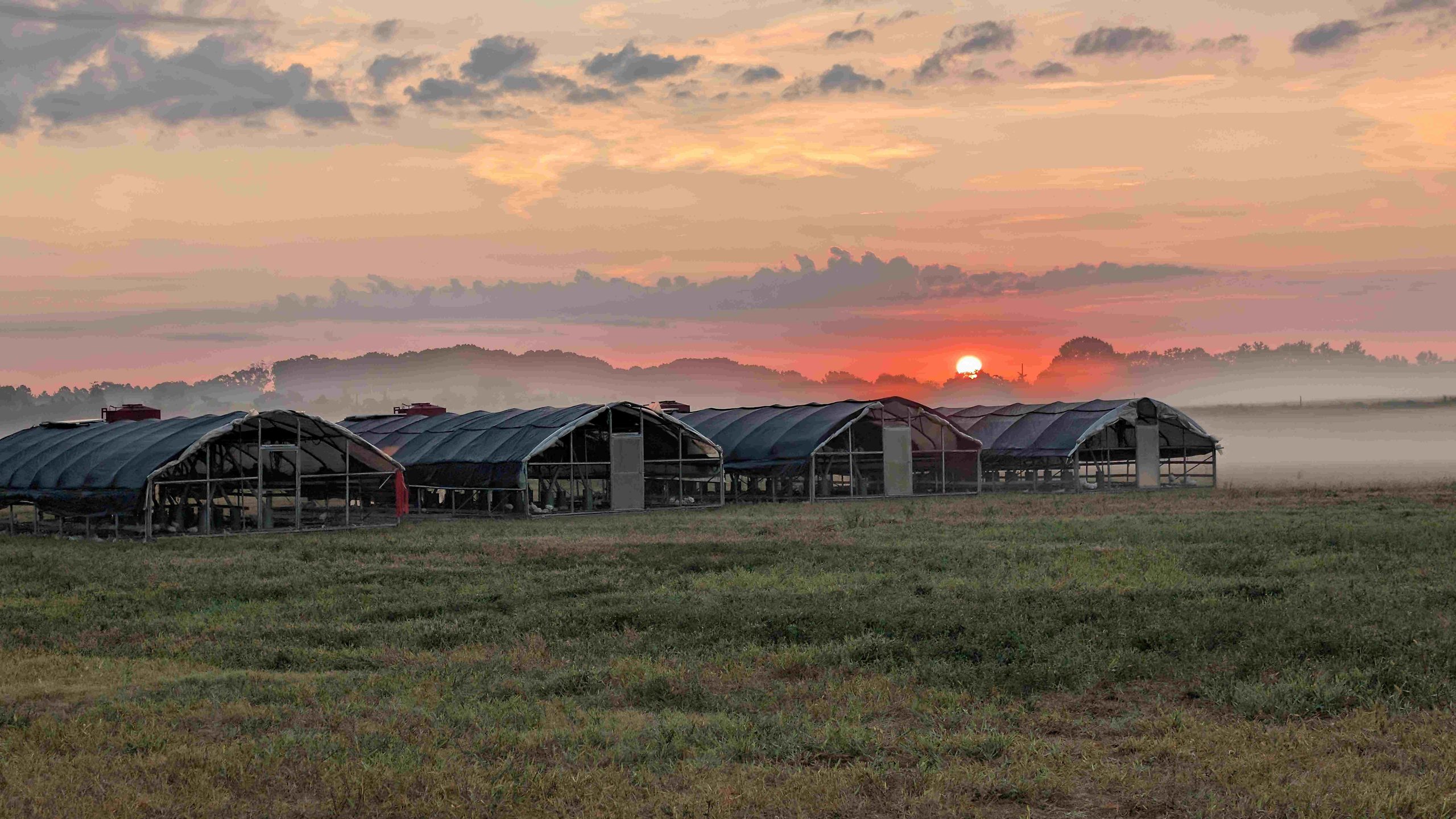
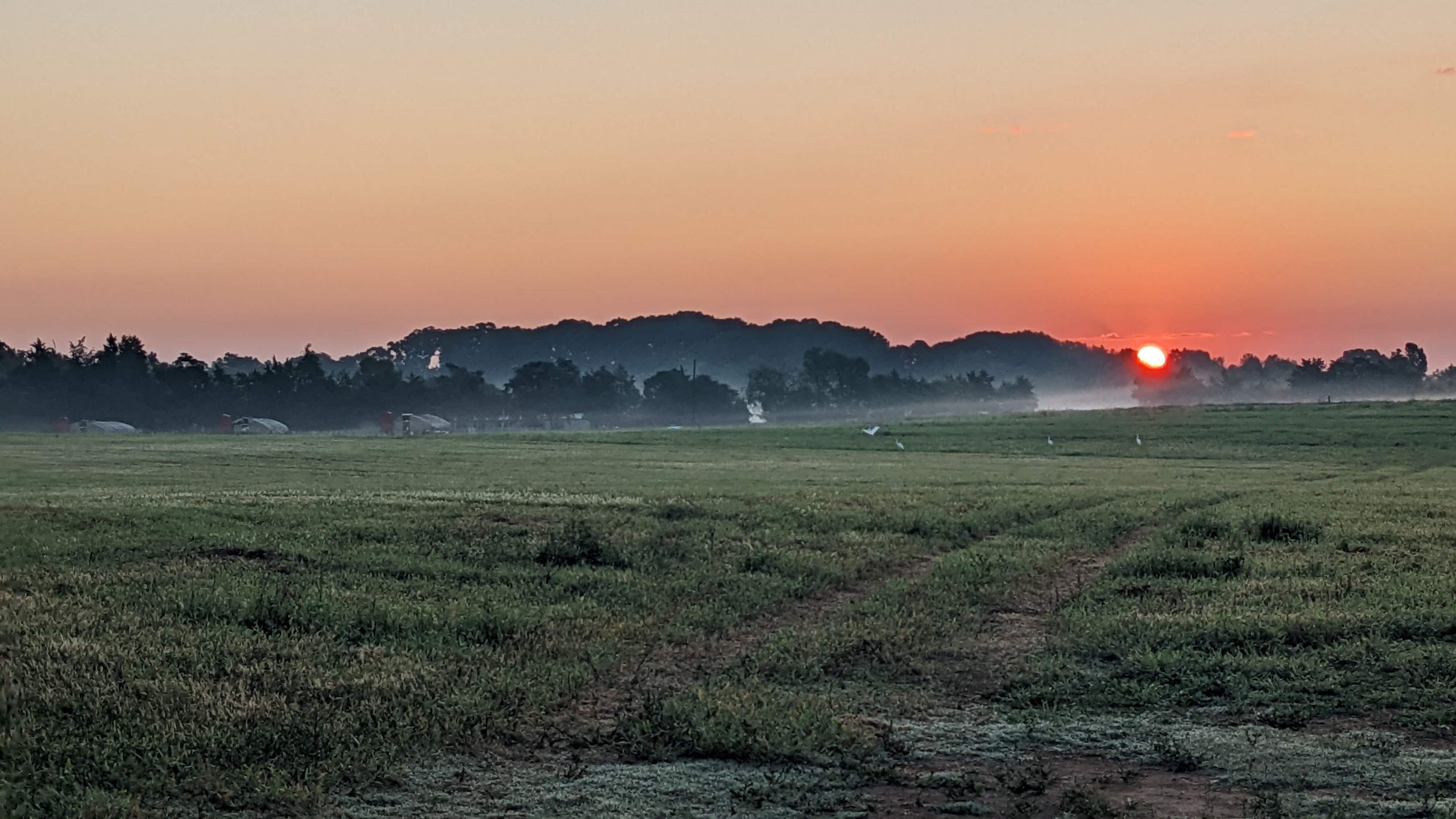
Early morning on the pasture. Mobile chicken shelters in the distance with a few wild egrets dropping in to work the fieldas well.
At the same time, this week has served as a sobering reminder of the difference between an automated corporate machine and a family farm. We aren’t a sterile processing plant run by algorithms; we’re a small team of real people living life alongside our community.
Holding Jay and His Family in Prayer
Our hearts are exceptionally heavy this week. Our teammate Jay and his family suffered an unimaginable loss with the tragic passing of his 18-year-old son. Words fall short in moments like this. We ask that you join us in lifting up Jay and his loved ones in your thoughts and prayers during this time of profound grief.
Jay’s focus right now is entirely where it belongs—with his family. While the rest of our crew rallies to keep daily chores moving and orders rolling out the door, we appreciate your grace and patience if fulfillment takes just a little extra time this week.
Labor Day Orders & Thursday Beef Restock
Labor Day is just around the corner on Monday, September 7, and we want to make sure your grills and smokers are ready.
Labor Day Deadline: Place your orders by midnight tonight (Sunday) to ensure they ship this week in time for weekend cookouts.
Full Beef Restock: If your favorite cut has been out of stock over the past couple of weeks, good news—we have a large load of beef returning to the farm this Thursday. All cuts will be fully replenished just in time for your late-summer cooking.
If you have glanced at the news over the past few days, you’ve probably seen the headlines buzzing about the recent announcement regarding foreign ground beef imports. It has definitely sparked a massive national conversation about the meat industry, food security, and—most importantly—knowing where your food actually comes from. Around here, that announcement set off a whirlwind!
Over the last several days, our phones have been ringing off the hook, online orders have been rolling in, and we’ve had the pleasure of welcoming so many new and familiar faces through the doors of our on-farm store. First and foremost, we just want to say thank you. In a world full of confusing grocery store labels and complex global supply chains, seeing our community step up to support local agriculture is humbling and encouraging beyond words.
The Problem with “Mystery Meat” When headlines start talking about hundreds of thousands of tons of imported beef arriving in shipping containers, it naturally makes folks stop and look twice at the packages in the supermarket meat aisle. The truth is, much of the conventional meat supply travels through massive, opaque industrial channels. It gets commingled, heavily processed, and shipped thousands of miles before it ever hits a grocery shelf. When you buy conventional beef, it is nearly impossible to trace which pasture—or even which continent—it came from.Our Promise to You: Local, Transparent, and Pasture-Raised Situations like this are the exact reason we do what we do at Watson Farms.When you order from us or walk into our farm store, there is zero guesswork:100% Grass-Fed & Finished Beef: Our cattle spend their entire lives grazing open, lush pastures the way nature intended—no feedlots, no shortcuts, and no grain finishing.Pasture-Raised Pork & Chicken: Raised outdoors with access to fresh air, sunshine, and clean forage.True Traceability: Born, raised, and harvested right here. When you feed your family Watson Farms meats, you know exactly who raised it and how it was cared for.Here is a picture of our cow herd and some of our broiler chickens in the same field (if you look close you can even seen all the grasshoppers and bugs).We’re Stocking the Shelves! With the surge in orders this week, our team has been working in overdrive out in the pastures and in the packing room to keep everything stocked and running smoothly. Beef inventory is starting to get low but we will be receiving a new round of beef the end of next week. Even though some of the beef inventory is getting low we do have plenty of Ground Beef available. Whether you’re swinging by the farm store to grab burger patties for weekend grilling, stocking your freezer with a bundle box, or having your weekly staples shipped straight to your doorstep via watsonfarms.com, we are honored to have a seat at your family’s dinner table. Thank you for choosing to vote with your fork and keeping local family farms thriving.
Back in 2006, our family faced a critical crossroads.
For generations across the country—and right here in our corner of South Carolina—the standard playbook for a cow-calf operation was simple: raise calves until weaning, load them on a trailer, haul them to the local sale barn, and collect a check.
From that sale barn ring, those animals enter the commodity pipeline. They are auctioned off, grouped with hundreds of others, and shipped hundreds of miles away to massive, dusty feedlots out west to be fattened on grain and industrial byproduct feeds and injected with pharmaceuticals.
That year, we decided to break the mold: we held back our first small group of cattle to finish 100% on grass.
Here they are about a year later.
It wasn’t an easy decision. When you are a small family farm, cash flow is everything. Choosing not to take that immediate sale barn paycheck—and instead absorbing the risk, time, and pasture management required to graze those steers to full maturity over another year—was a heavy financial lift.
Why take that risk? Because we knew there were moms and families out there searching for something the industrial food complex simply doesn’t offer: clean, nutrient-dense, 100% grass-fed beef raised transparently on living pastures the way nature intended.
What began with just a handful of steers and heifers steadily gained momentum. By 2020, we achieved a milestone we are proud of: 100% of our cattle are grass-finished and direct-marketed to you. Not a single calf from our herd ever enters the commodity sale barn or feedlot pipeline today.
The Reality of Industrial Consolidation
To understand why small farms matter, consider what has happened to the American meat counter over the last few decades:
Beef: Just 4 multinational corporations (Tyson, JBS, Cargill, and National Beef) control roughly 85% of all fed cattle processing in the United States.
Pork: The top 4 packers control about 67% of the hog slaughter market.
Chicken: According to USDA data, over 99% of all broiler chickens in the U.S. are raised under production contracts with integrators (with just four companies controlling roughly 60% of the market). Under this rigid model, independent growers take on massive debt for confinement houses while corporate integrators own and dictate every aspect of the birds’ feed, medication, and life cycle.
Here’s a midweek update from Kelly with Watson Farms, keeping you connected with your farm.
Hi friend,
If you’ve followed our farm for a while, you might know that our journey didn’t start on open green pastures. For 24 years, our family was in the commercial confinement turkey business. We lived that industrial farming model day in and day out, and we know the system inside and out. Looking back at those days compared to how we raise our pastured chickens today feels like night and day.
The Old Way: Commercial Confinement In the industrial poultry world, the entire model is built around isolation and density. Tens of thousands of birds spend their lives inside massive, enclosed barns on manure covered floors. The Environment: The birds live on stationary litter that accumulates over months. Even with big ventilation fans running, the air inside is heavy with dust and ammonia. The Routine: The birds never see direct sunlight, never feel a natural breeze, and never set foot on a blade of grass. The Inputs: Because high-density indoor environments breed stress and disease pressure, industrial systems rely heavily on strict chemical biosecurity and antibiotics just to keep flocks standing.We managed those barns with care, but we always felt there had to be a better way—for the animals, the soil, and our own family. The New Way: Life on Fresh Pasture
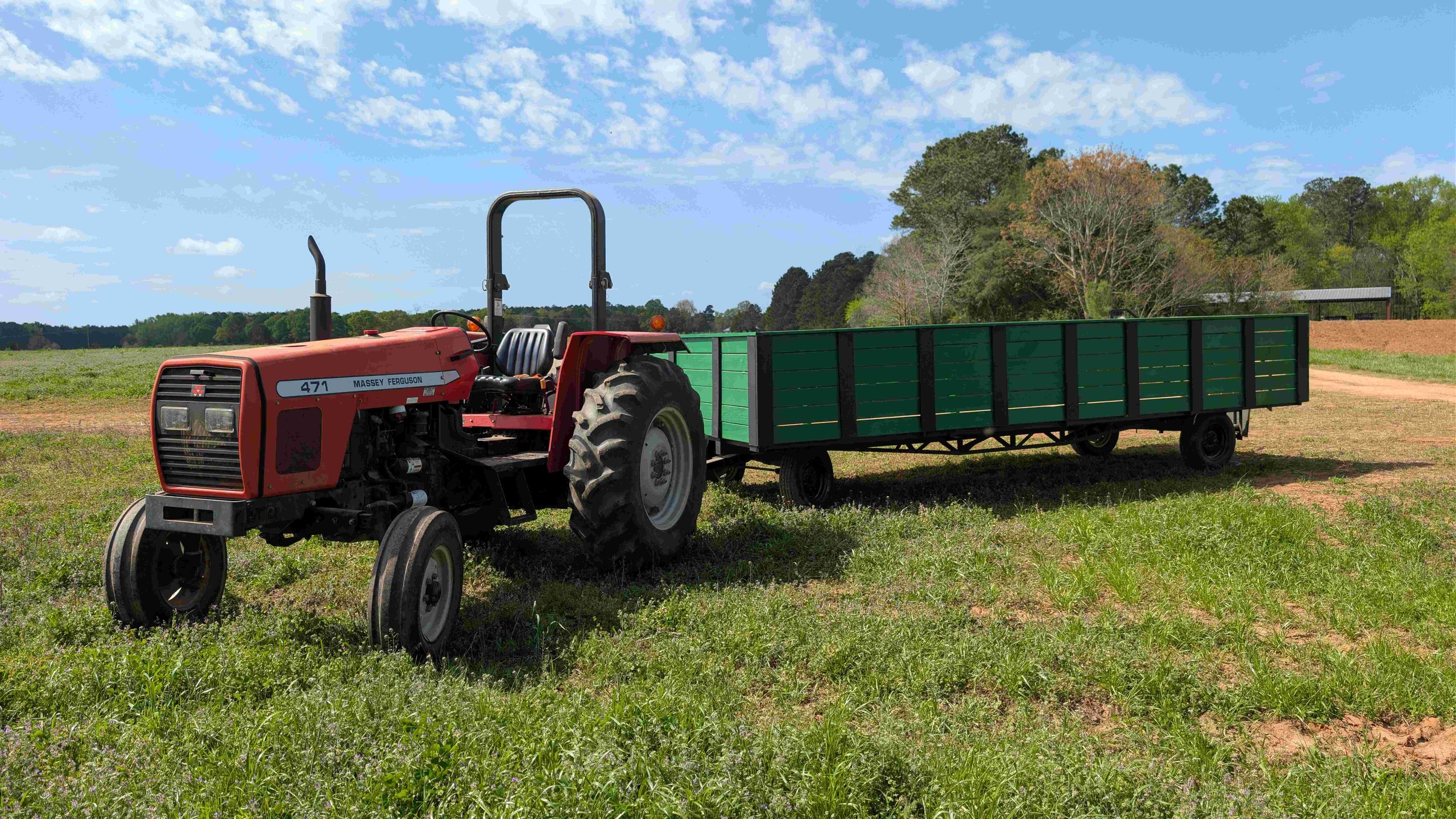
Today, raising our pastured broilers is a completely different world. Every single morning, we hook up the tractor to move our mobile hoop shelters forward onto fresh, untouched green grass. The birds immediately flutter forward, eagerly scratching in the soil and foraging for clover, tender greens, and grasshoppers.
Fresh Ground Every 24 Hours: Our chickens never live on accumulated waste. Moving daily breaks parasite cycles naturally without needing routine antibiotics or artificial chemicals. True Sunshine and Fresh Air: Clean breezes and open daylight keep the flock active, healthy, and stress-free. Regenerating the Soil: Instead of manure becoming a toxic waste problem in a barn, the birds deposit rich natural fertility directly onto the pasture, revitalizing our fields for our cattle to graze later. Superior Nutrition & Flavor: Chickens that forage on live greens develop firmer, cleaner meat with higher levels of Vitamin A, Vitamin E, and anti-inflammatory Omega-3 fatty acids. You can taste the difference in every bite—tender, rich, and never watered down.Our Honest Harvest Chicken Sale is still going on (just a couple of weeks left)! Get your chicken ordered now and stock up! Place the order online or come see us in the farm store!
Kelly’s Farm Kitchen: Crispy Sheet Pan Herb-Roasted Chicken Because pasture-raised chicken has such rich, natural flavor, you don’t need a complicated marinade. This simple sheet pan meal gets dinner on the table in under an hour with almost zero cleanup.
Ingredients:
4 Watson Farms bone-in chicken leg quarters 1.5 lbs baby potatoes, halved 1 lb baby carrots or green beans 3 tbsp olive oil (or melted butter) 1 tsp garlic powder .1 tsp onion powder 1 tsp sweet paprika. 1 tsp dried rosemary or Italian seasoning 1.5 tsp sea salt & 1/2 tsp black pepper
Instructions:
Prep the Oven: Preheat your oven to 400°F and lightly oil a large rimmed baking sheet. Season the Veggies: Toss the halved potatoes and carrots with 1 tablespoon of olive oil, a pinch of salt, and pepper. Spread them around the edges of the baking sheet. Season the Chicken: Pat the chicken dry with a paper towel (the secret to crispy skin!). Rub with the remaining olive oil and coat generously with the herb and spice mix. Roast: Place the chicken skin-side up in the center of the baking sheet nestled between the vegetables. Roast for 35–45 minutes, until the skin is golden brown and the internal temperature reaches 165°F (175°F for leg quarters). Rest & Serve: Let the meat rest for 5 minutes before serving so the juices settle back into the meat.
We hope to see you soon!
(A quick reminder: If you’re local, stop by the Farm Store to pick out your cuts in person, or place your online order by Sunday night to ensure it’s in the shipping queue for next week!)
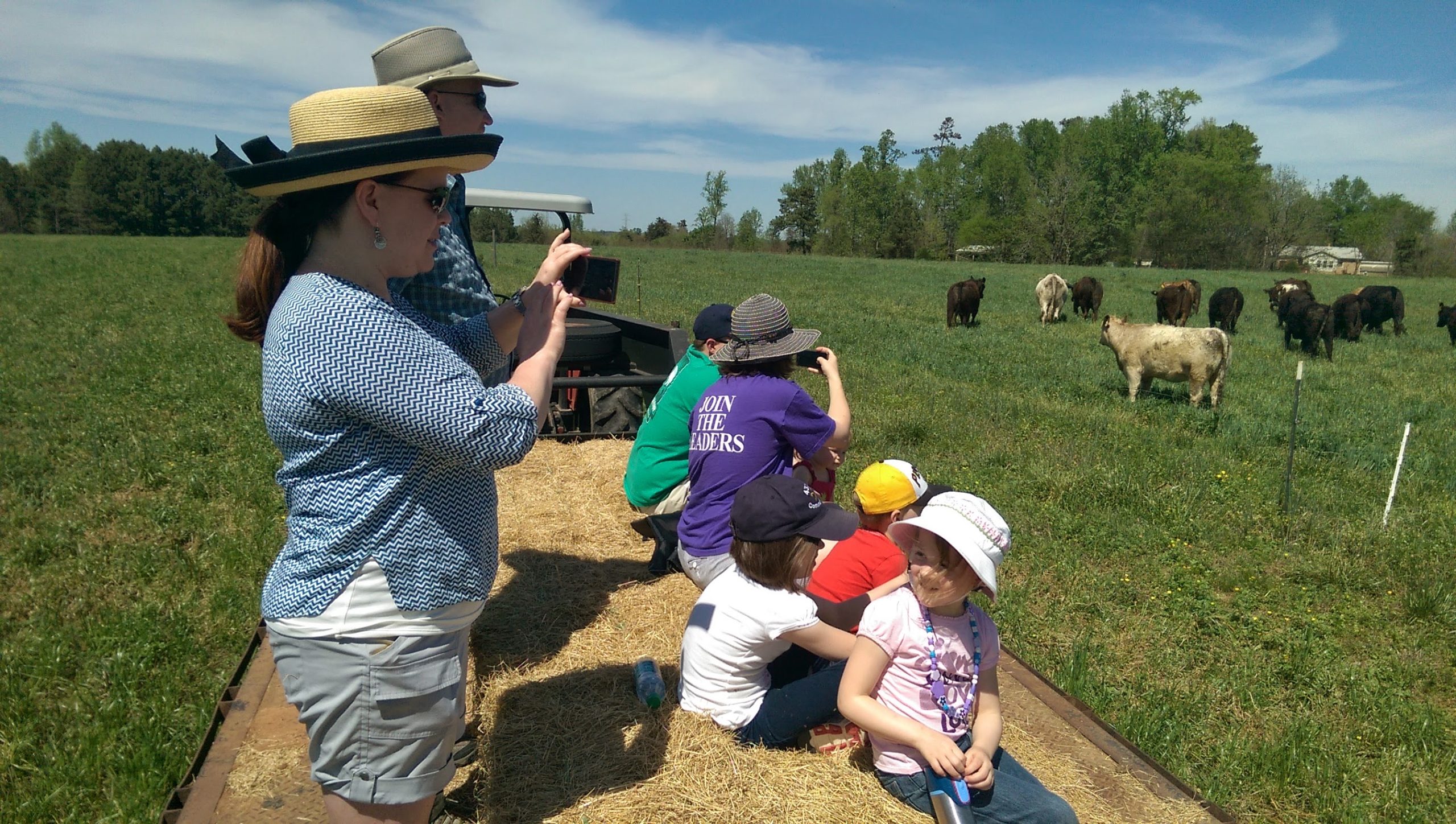
Whenever visitors hop on the haywagon with us during a Farm Day tour, there’s usually a moment where someone points to the ground directly behind our mobile hoop shelters and asks, “Is the grass supposed to look like that?”
In the first 24 hours after our flock moves to fresh grass, the patch they just left looks brown, flattened, and scratched up. To someone seeing a rotational pasture for the first time, it can look like the soil was temporarily ruined.
But on a living pasture, that brief, high-impact disturbance is actually the spark plug for biological regrowth.
High-Impact Disturbance vs. Overgrazing
Our mobile shelters mimic the natural movement of wild bird flocks:
Intense Fertility Pulse: In just 24 hours, the flock leaves behind a concentrated deposit of rich, high-nitrogen organic manure.
Thatch Clearing: As they scratch for bugs and seeds, they clear away dead plant material so sunlight can reach the root crowns.
Rest & Recovery: Before any overgrazing or soil degradation happens, the shelter moves forward to a fresh patch of grass.
When a summer rain hits that disturbed ground a few days later, soil microbes go into overdrive. What looked trampled and brown on day one turns into the darkest, thickest, most nutrient-dense green forage on the entire farm by day seven.
Here’s a midweek update from Kelly with Watson Farms, keeping you connected with your farm.
Hey Watson Farms Family,
Yesterday was a big hay day around here, and it took a full team effort to get it done!
We had three generations out in the field working together from 12:30 PM until 7:15 PM, finishing up just as the dark storm clouds began rolling in. Talk about beating the clock! It was a long, full afternoon, but seeing everyone pitch in made it special. Abby was out there raking, Gary and Noah were running the baler, and Matthew was busy hauling and wrapping every single bale.
By the time the rain started, we had 56 beautiful bales safely put up!
What makes these bales so special isn’t just the hard work that went into harvesting them—it’s the way this pasture was built over the last few months.
If you visited the farm between April and July, you might have seen three of our mobile chicken shelters out in that exact field. Every single day, those houses get moved about 50 feet (the length of the coop) onto a fresh patch of grass. This gives the chickens daily access to fresh forage and bugs, while they leave behind rich, natural fertilizer.
When you combine that daily chicken rotation with our cattle grazing the same pasture, the soil gets an incredible boost of natural nutrients. After giving the field a well-deserved rest, all that natural fertility produced the thick, nutrient-dense grass we harvested yesterday. It’s amazing to watch how each group of animals plays a part in building healthy soil!
Honest Harvest Chicken Sale!
Speaking of our pasture-raised chickens and the wonderful work they do for our farm ecosystem, this is a great time to stock up!
Our Honest Harvest Chicken Sale is happening right now. If you’ve been looking to fill your freezer with clean, nutrient-dense chicken raised on fresh grass every single day, now is the perfect time to order.
Head over to the website or stop by the farm store to grab yours while the sale lasts!
(A quick reminder: If you’re local, stop by the Farm Store to pick out your cuts in person, or place your online order by Sunday night to ensure it’s in the shipping queue for next week!)
Bird Flu, Confinement Barns, and the Power of Fresh Pasture
What Confinement Gets Wrong About Pathogens
If you follow agricultural news at all, you know that the industrial poultry industry is deeply terrified of bird flu (Highly Pathogenic Avian Influenza).
Before our family transitioned to pasture-based regenerative farming, we spent 24 years in the commercial confinement turkey business. We know that system inside and out. In the industrial world, the prevailing belief is that massive, totally sealed confinement barns are the only line of defense. The goal is complete isolation—keeping thousands of birds locked inside to prevent any contact with wild waterfowl that might carry the virus.
Yet, despite all the “biosecurity” protocols, USDA data shows that in 2025 alone, over 53.6 million commercial poultry birds in the U.S. were lost or depopulated due to bird flu.
The industrial model relies on isolation because tightly packed confinement environments leave birds incredibly vulnerable.
Life on Fresh Grass
Our approach on pasture couldn’t be more different. Our chickens live outside on fresh grass every single day.
They reside in floorless, screened-in mobile hoop shelters that provide plenty of space—vastly more room per bird than any industrial barn—while protecting them from overhead predators like hawks. Wild birds fly over and land on the pasture around them constantly. Our birds aren’t completely isolated from nature.
Yet, pastured poultry producers across the country—including veterans who have raised birds on pasture for over 50 years—simply do not experience the catastrophic, farm-wiping mortality events that plague commercial confinement houses.
While we aren’t microbiologists, common sense and daily observation tell a clear story:
Low Density & Clean Air: Our birds aren’t overcrowded or breathing in concentrated, fecal-laden dust 24 hours a day.
Fresh Ground: They move to clean ground daily, rather than living for weeks on top of their own accumulated manure.
Natural Nutrition: They have constant access to sunlight, bugs, and fresh green grass. Chlorophyll acts as a natural blood cleanser and immune booster.
When animals live in their natural environment with low stress, fresh air, and clean forage, their bodies build natural resilience to the pathogens that wreck industrial operations.
Resilience Across the Entire Farm
That same philosophy guides every animal on our farm:
Our Cattle: Moved daily to fresh pasture paddocks, harvesting clean forage and building soil health without feedlot stress.
Our Pigs: Rotated continuously through a dynamic silvopasture landscape, enjoying natural shade, fresh ground, and space to root around.
Product Spotlight: The Honest Harvest Chicken Sale
If you were to stand out on our fields early in the morning, you’d witness one of the most vital daily routines on our farm: moving our pastured chicken shelters.
Unlike the stationary industrial method—where tens of thousands of birds spend their entire lives confined indoors on dirty, built-up litter—our entire management model is built on mobility.
Every single morning, we hook up our 4×4 tractor to each of our six 50-foot mobile hoop shelters. It’s a carefully choreographed team effort: one person operates the tractor at a slow, steady crawl, while two of us work on the ground guiding the flock to ensure every bird moves along safely into its fresh space.
Because every feeder, drinker, and piece of equipment is suspended directly from the shelter’s frame, the entire house glides forward seamlessly in one motion. In a single shift, the shelter advances roughly 50 feet—the length of the house itself.
Over the 6 or so weeks that the birds are living their best life in one of these shelters, that shelter will be moved each day.
That’s 42 distinct days of fresh forage. As the birds step onto untouched pasture, they eagerly go to work consuming fresh grass and a plethora of bugs (we certainly have no shortage of grasshoppers in our pastures!). In return, they leave behind rich, natural fertility that feeds our soil and revitalizes the land.
It’s a system working in true harmony with nature—honoring the life of the animal, building soil health, and yielding a final product with clean, incredible flavor you simply cannot buy at a grocery store.
We put together a quick 1-minute video right from the pasture so you can see this setup in action:
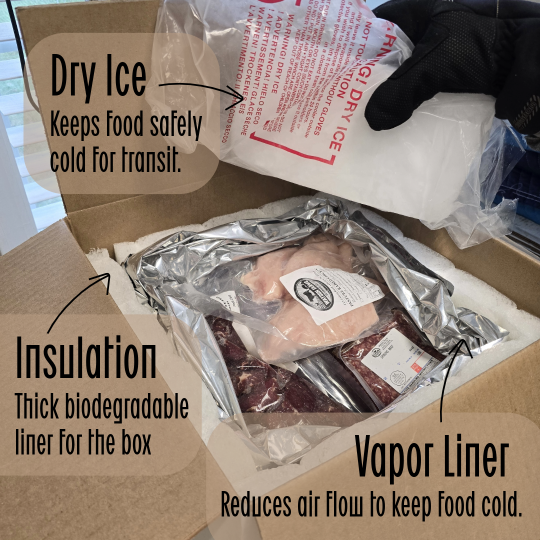
Bringing Pasture-Raised Meat to Your Doorstep—Nationwide! 🚚
We believe everyone deserves access to food raised with this level of honesty, care, and respect for the land—no matter where they live.
Over the years, many of you who have moved out of our immediate delivery region—or who have family and friends living across the country—have asked how you could get our pasture-raised meats shipped to your home.
We’ve been working hard behind the scenes for months to make that happen, and we are thrilled to officially announce: Watson Farms now ships nationwide!
Whether you’re right down the road or on the other side of the country, you can now enjoy our pastured meats delivered straight to your door anywhere in the continental United States.
Announcing The Honest Harvest Chicken Sale
To celebrate this milestone and help you keep your freezer stocked with nutrient-dense, pasture-raised chicken, we are excited to launch The Honest Harvest Chicken Sale!
From August 2nd through August 31st, enjoy up to 20% off category-wide on chicken—both online and at our On-Farm Store.
For the first time ever, we’re offering two exclusive BOGO deals during this event!
We’ve set these up as special 2-item bundles priced at the standard single-item price—no coupon code necessary! Just click the links below or find them on our landing page, add them to your cart, and your free second item is automatically included.
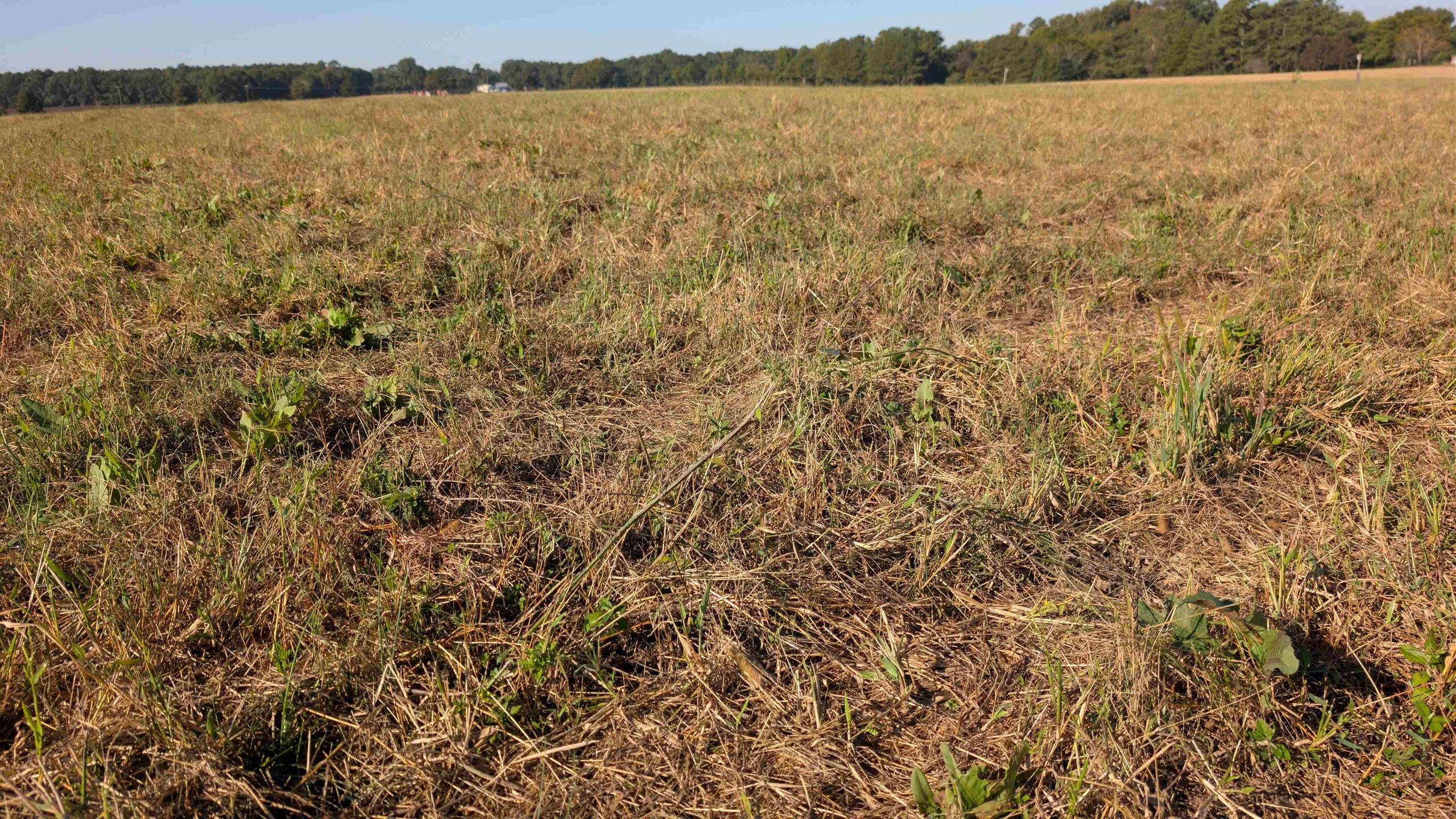
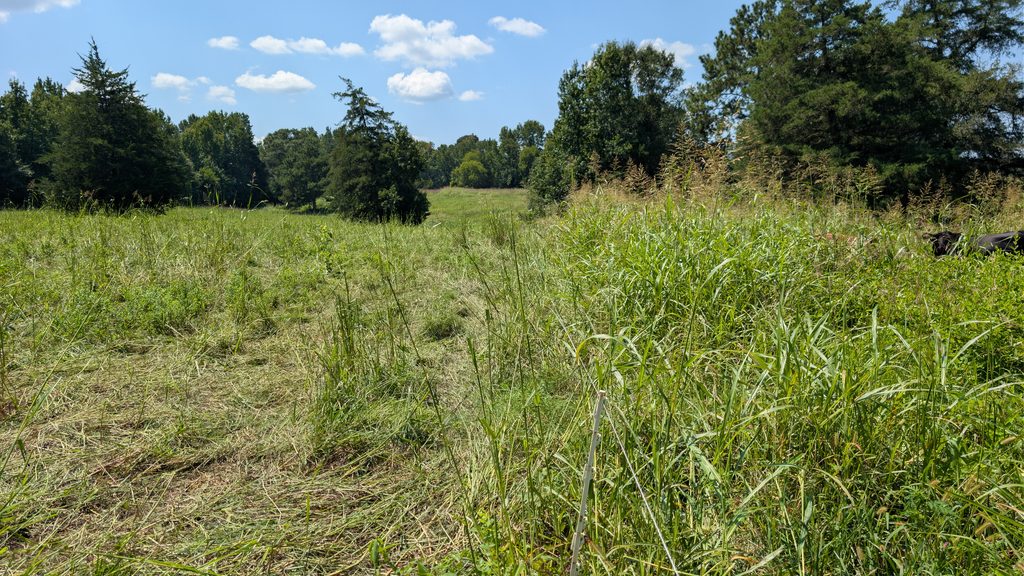
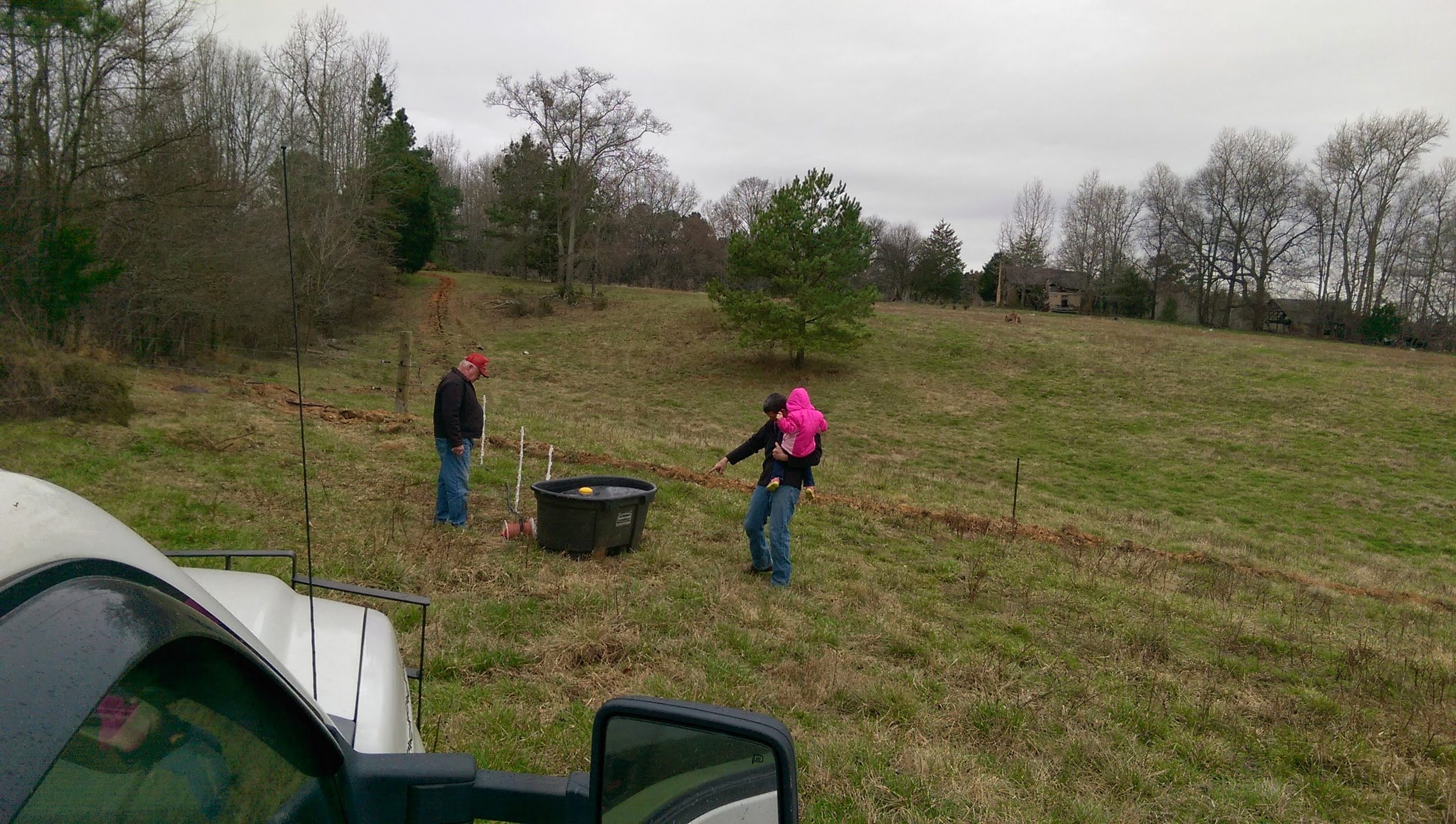
On Wednesday evening, I was out in the field setting up a new paddock for the cattle. It was hot, humid, and dry. I was carrying a bundle of step-in posts, and every time I tried to step the steel probes into the ground, it felt like trying to push them into cured concrete.
The grass had that rolled-up, shriveled look it gets when it’s holding its breath, trying to conserve every last drop of moisture under the summer sun.
Farming on pasture means living in direct harmony with the elements. When it’s dry, everything enters a quiet holding pattern. The soil bakes, the forage slows its growth, and you spend your days pacing yourself—keeping livestock comfortable and checking the weather forecast.
Then came Thursday night.
3 Inches of Pure Life
When three inches of rain soaked into our pastures Thursday night, it didn’t just wet the dirt—it completely turned the farm on its ear.
By Friday morning, the entire landscape looked different:
The Pastures: That tight, shriveled grass uncurled and sprang back to a vibrant, deep green almost overnight.
The Soil: The ground went from rock-hard clay to soft, forgiving soil. Setting step-in posts for paddock moves now takes a fraction of the effort.
The Cattle: Cooler air and lush, hydrated forage completely shifted the mood of the herd. Content cattle grazing on fresh growth is one of the best sights (and sounds) on the farm.
The Workflow: The holding pattern is officially over.
Firing Up for Winter Feed
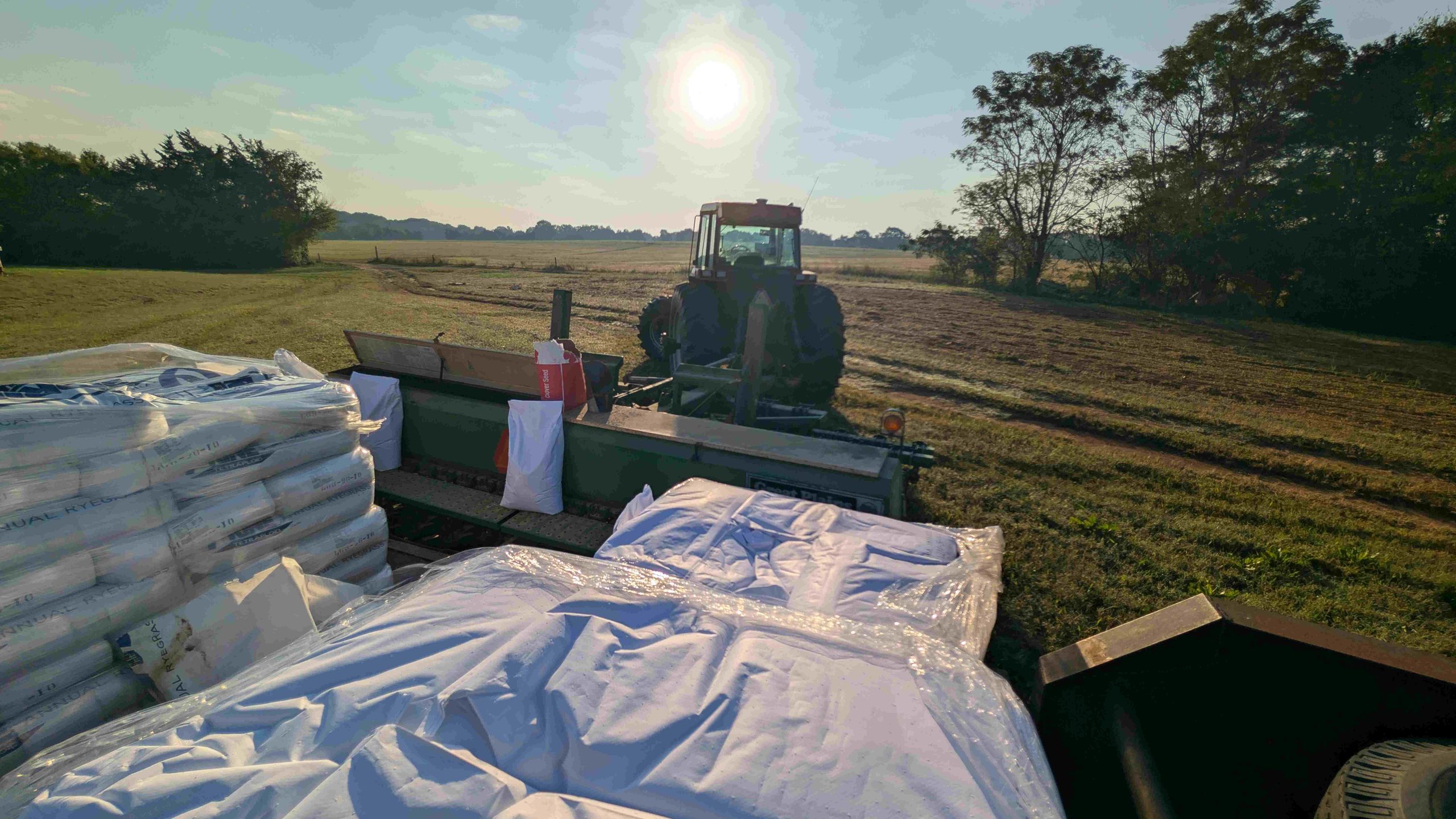
Perhaps the biggest shift after a good rain is what happens in the equipment shed. For the past several weeks, we’ve been servicing, greasing, and prepping hay equipment behind the scenes.
Now, with this surge of soil moisture accelerating plant growth, those tractors and implements are about to fire up to harvest haylage (baleage). The high-quality forage we break, bale, and wrap over the next few weeks will be the very feed that sustains our herd through the cold winter months.
One rain event triggers a massive domino effect: better soil moisture, faster grass growth, happier livestock, and a whole new workload as we pivot into forage harvest mode. It’s hard work, but after a dry spell, there isn’t a better feeling in the world than getting caught up in the rush of new growth.
Thank you for being part of this journey with us and for choosing to support pasture-based agriculture. Knowing that our hard work goes directly to feeding your families makes every hot afternoon and long evening worth it.
📦 Product Spotlight: Never Run Low with Subscribe & Save
With life on the farm shifting into full gear after the rain, we know how busy summer schedules can get for your household, too. The easiest way to keep nutrient-dense, farm-fresh meat on your family’s table is through our Subscribe & Save options.