


















Pasture Posts #275
Good morning from the farm in Lowrys, SC!
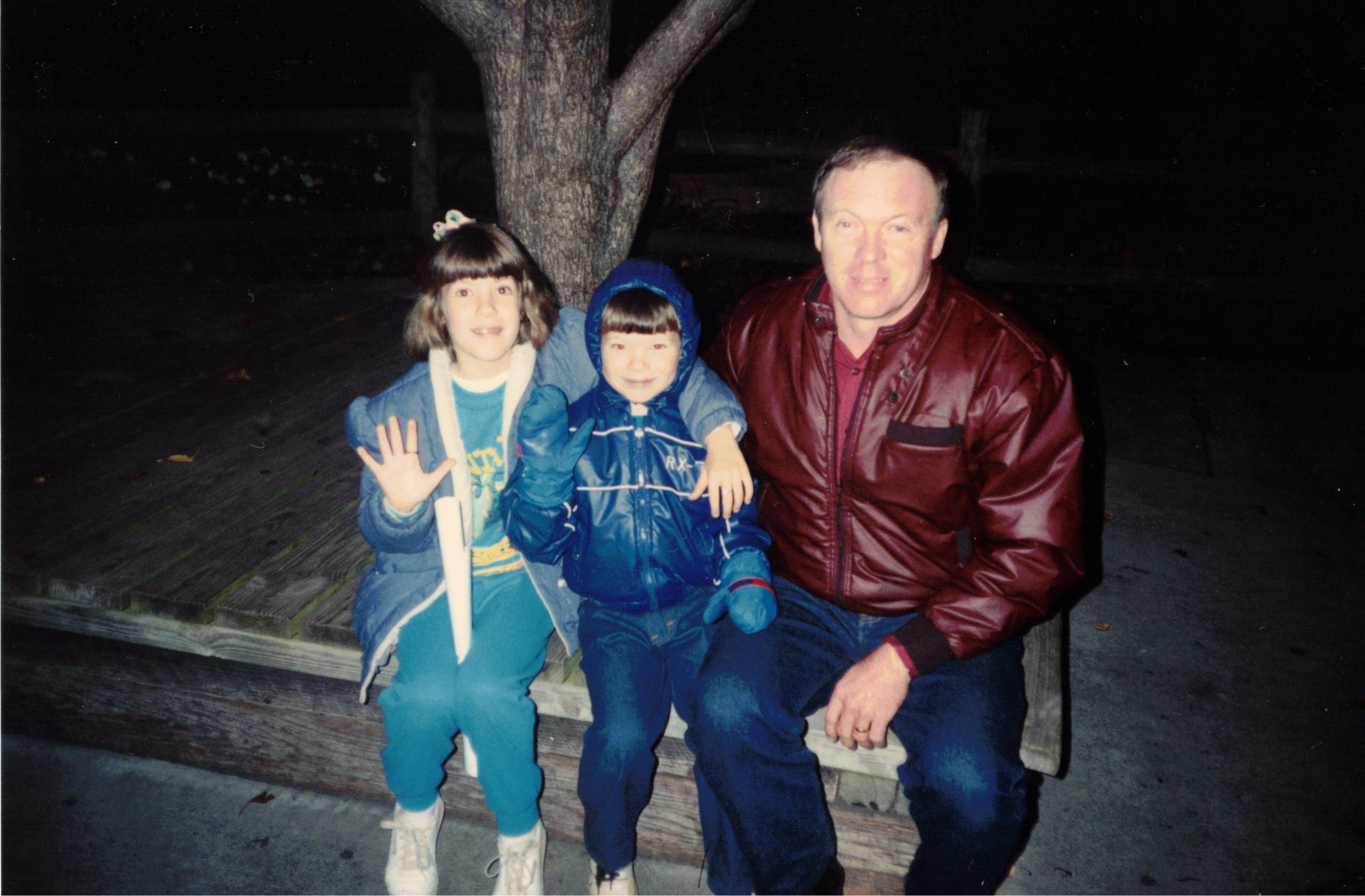
Growing up on the farm, I spent my childhood trying to keep up with my dad, Gary. In the summer of 1989, I was a three-year-old shadowing his every move morning after morning. On one particular day, I trailed him around all morning like usual. Thankfully, I wasn’t with him by the time afternoon arrived. I don’t remember what happened firsthand, but it’s a story our family has remembered ever since.
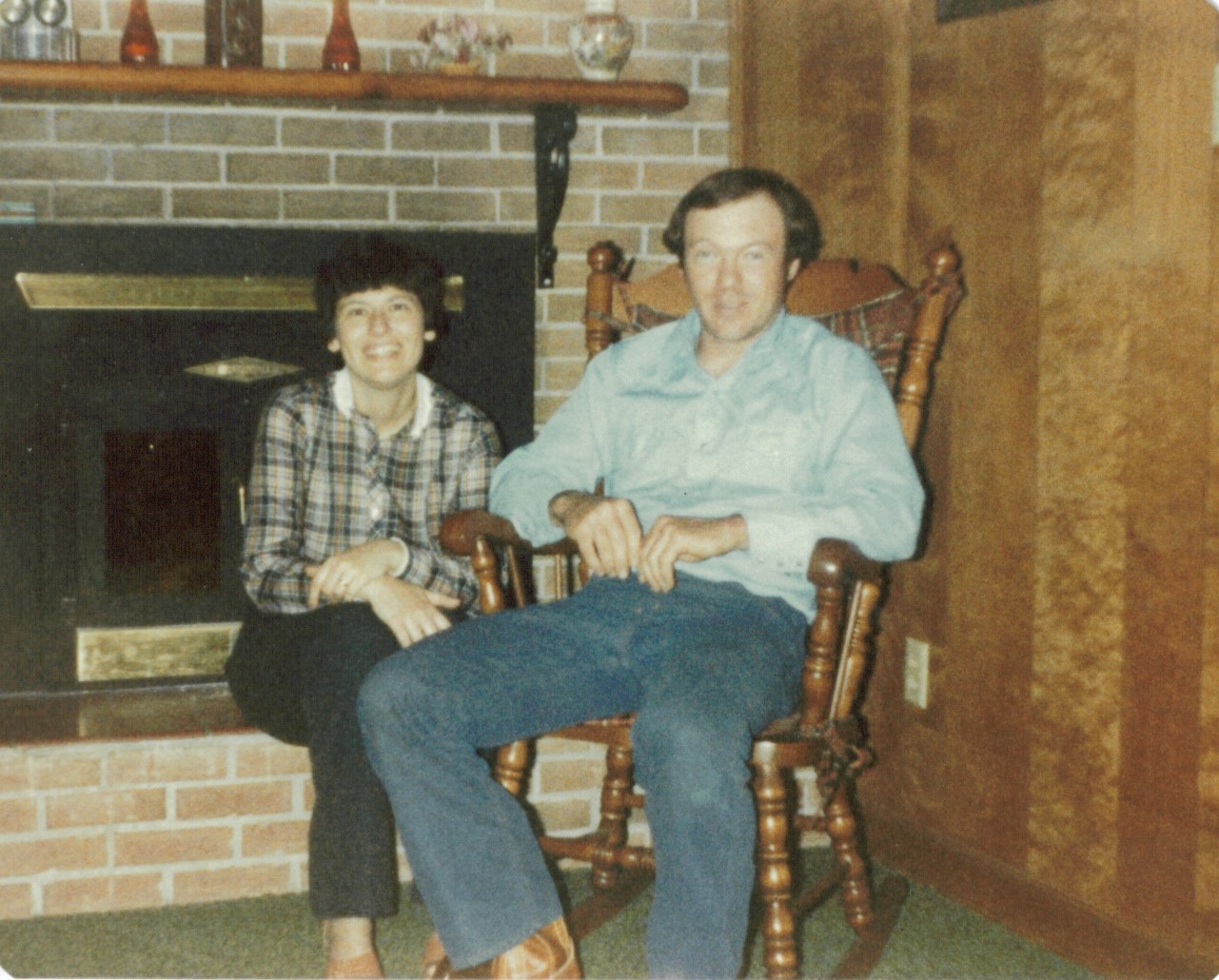
Dad went out to apply nitrogen fertilizer to a corn crop. He had been a bit of a pioneer by introducing anhydrous ammonia, a type of nitrogen fertilizer which was used by many in the Midwest, to this area of South Carolina. It’s an incredibly volatile, high-pressure chemical gas that is compressed into a liquid—dangerous to store, transfer, and apply, but viewed as a necessity in the industrial model to force high yields in corn.
While Dad was working, a high-pressure hose burst.
The ammonia blasted directly into his face. It burned him severely, tearing through his skin and entering his respiratory tract. The situation was so critical he had to be airlifted to a specialized burn hospital in Augusta, Georgia.
The doctors there delivered devastating news to my family: they believed he would be blind for the rest of his life. His nasal and sinus passages were heavily compromised.
By the grace of God, Dad did not suffer long-term vision loss. His sight returned, though he has battled chronic sinus issues ever since.
Accidents can happen in any line of work, but the industrial agriculture system inherently relies on practices that put the farmer at extreme risk. It forces us to handle toxic, volatile inputs just to keep the production treadmill moving. And the truth is, those same chemical inputs that threaten the safety of the farmer are the very things degrading the life of the soil and the wholesomeness of the final product on your plate.