Posted on Leave a comment

Pasture Posts #275

Good morning from the farm in Lowrys, SC!

Growing up on the farm, I spent my childhood trying to keep up with my dad, Gary. In the summer of 1989, I was a three-year-old shadowing his every move morning after morning. On one particular day, I trailed him around all morning like usual. Thankfully, I wasn’t with him by the time afternoon arrived. I don’t remember what happened firsthand, but it’s a story our family has remembered ever since.
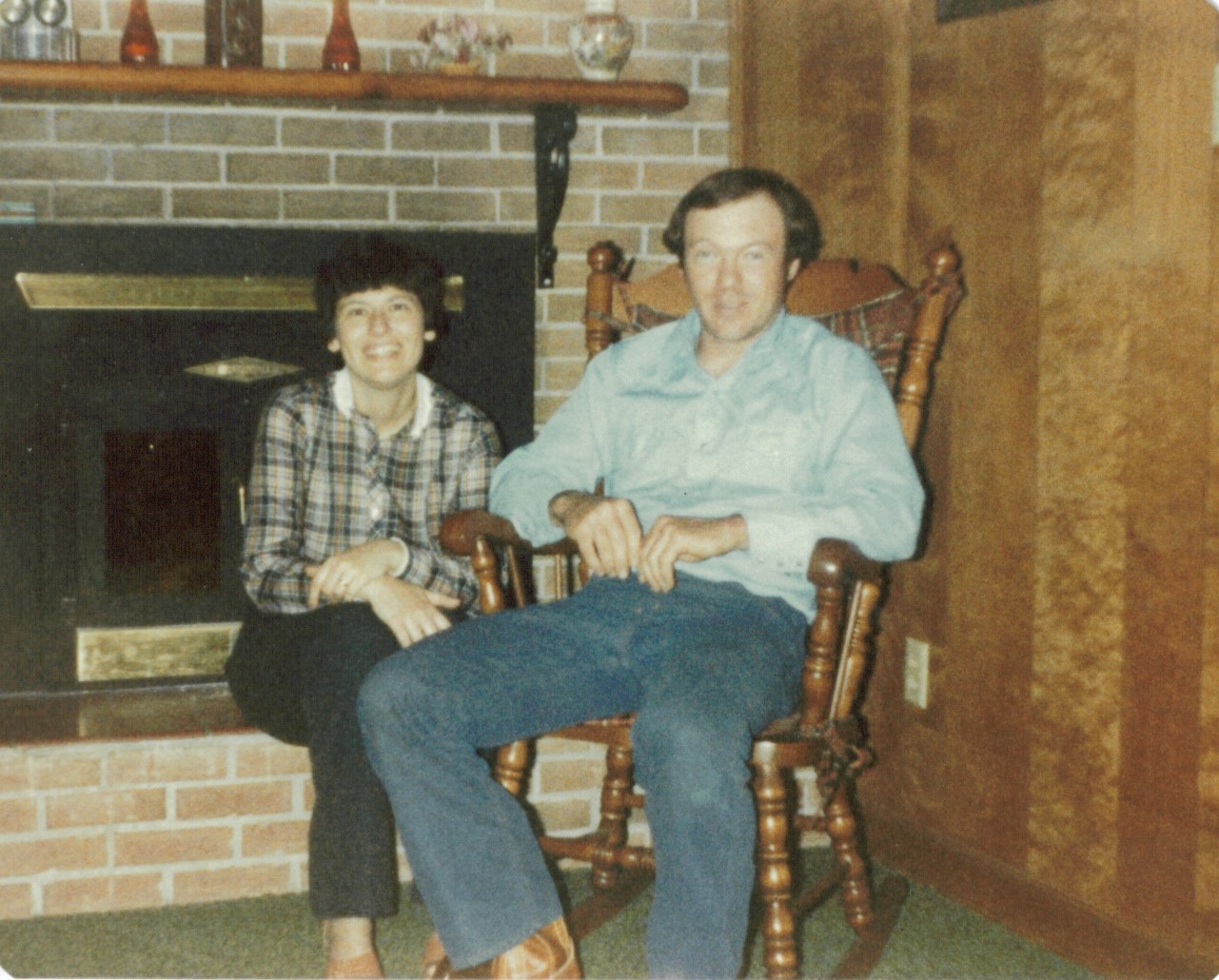
My parents, Gary and June, in the early 1980s before the life-changing summer of 1989.

Dad went out to apply nitrogen fertilizer to a corn crop. He had been a bit of a pioneer by introducing anhydrous ammonia, a type of nitrogen fertilizer which was used by many in the Midwest, to this area of South Carolina. It’s an incredibly volatile, high-pressure chemical gas that is compressed into a liquid—dangerous to store, transfer, and apply, but viewed as a necessity in the industrial model to force high yields in corn.

While Dad was working, a high-pressure hose burst.

The ammonia blasted directly into his face. It burned him severely, tearing through his skin and entering his respiratory tract. The situation was so critical he had to be airlifted to a specialized burn hospital in Augusta, Georgia.

The doctors there delivered devastating news to my family: they believed he would be blind for the rest of his life. His nasal and sinus passages were heavily compromised.

By the grace of God, Dad did not suffer long-term vision loss. His sight returned, though he has battled chronic sinus issues ever since.
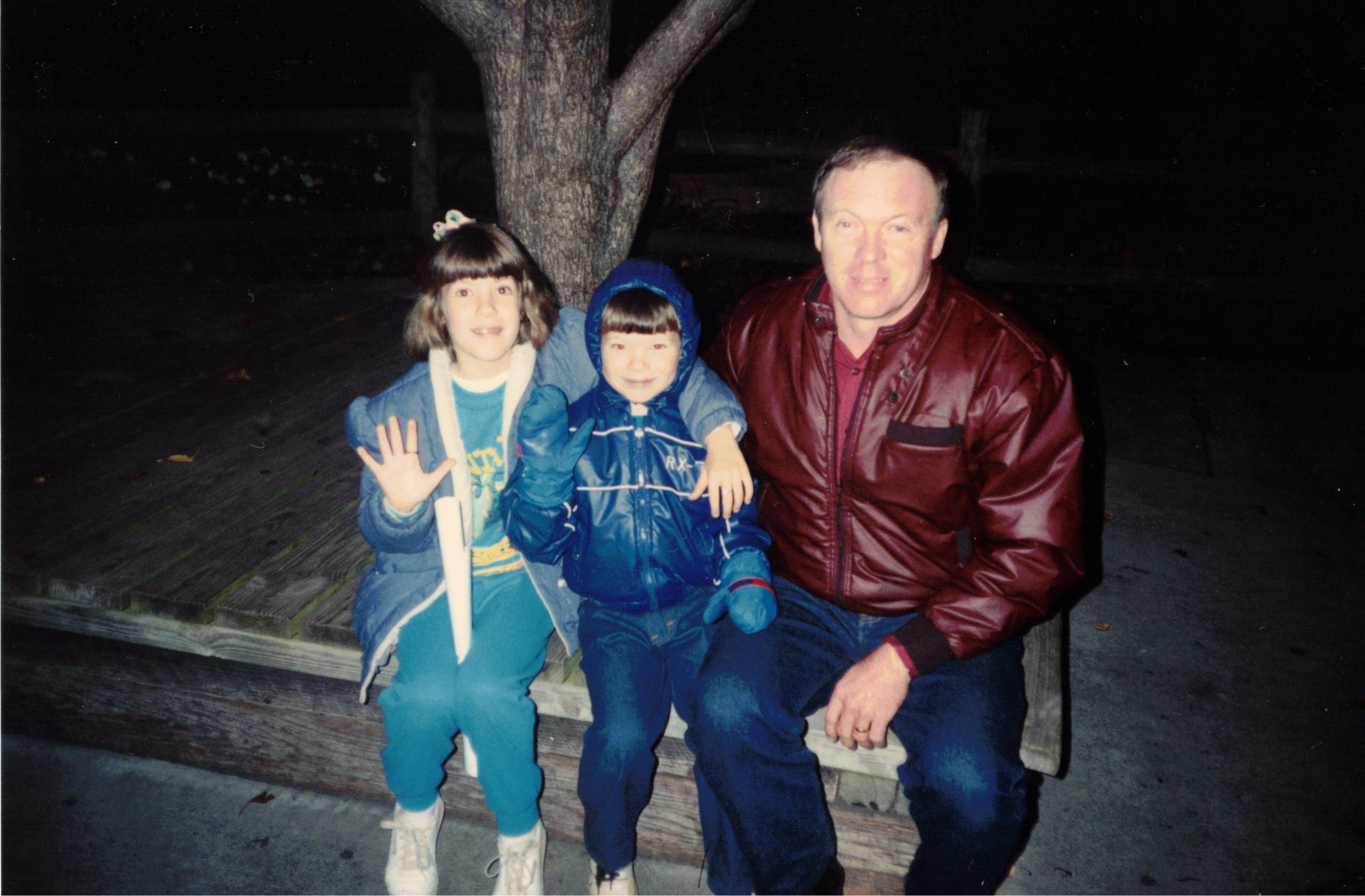
Dad, my sister, Rebecca, and me about a year and a half after the accident. We’ve always been incredibly thankful for his recovery.

Accidents can happen in any line of work, but the industrial agriculture system inherently relies on practices that put the farmer at extreme risk. It forces us to handle toxic, volatile inputs just to keep the production treadmill moving. And the truth is, those same chemical inputs that threaten the safety of the farmer are the very things degrading the life of the soil and the wholesomeness of the final product on your plate.

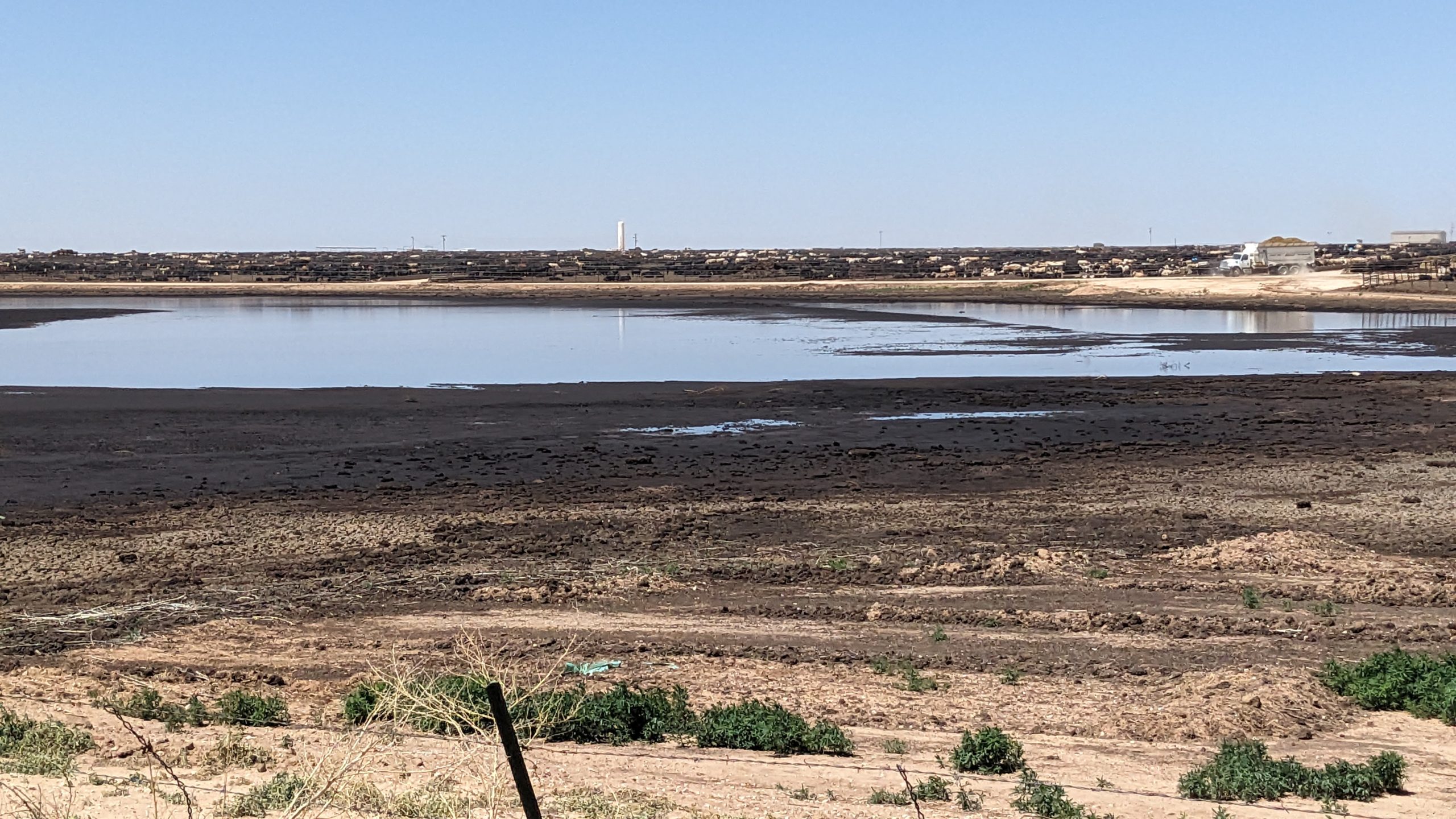
The Reality of the Confinement Barn

Continue reading Pasture Posts #275
Posted on Leave a comment

Pasture Posts #170

Here’s the weekly roundup from Watson Farms and your direct connection to your farmer. Enjoy the latest edition of Pasture Posts!

This edition will double as another part of our Comparison Series as we show you some first hand footage and photos of our method of grass-finishing cattle versus the feedlot method.

A Visit To West Texas

Kelly and I were able to get away for our 14th anniversary this past week, and we made a visit to the Dallas-Fort Worth area of Texas. We decided to make a day trip to west Texas one day where we were able to visit a feedlot.

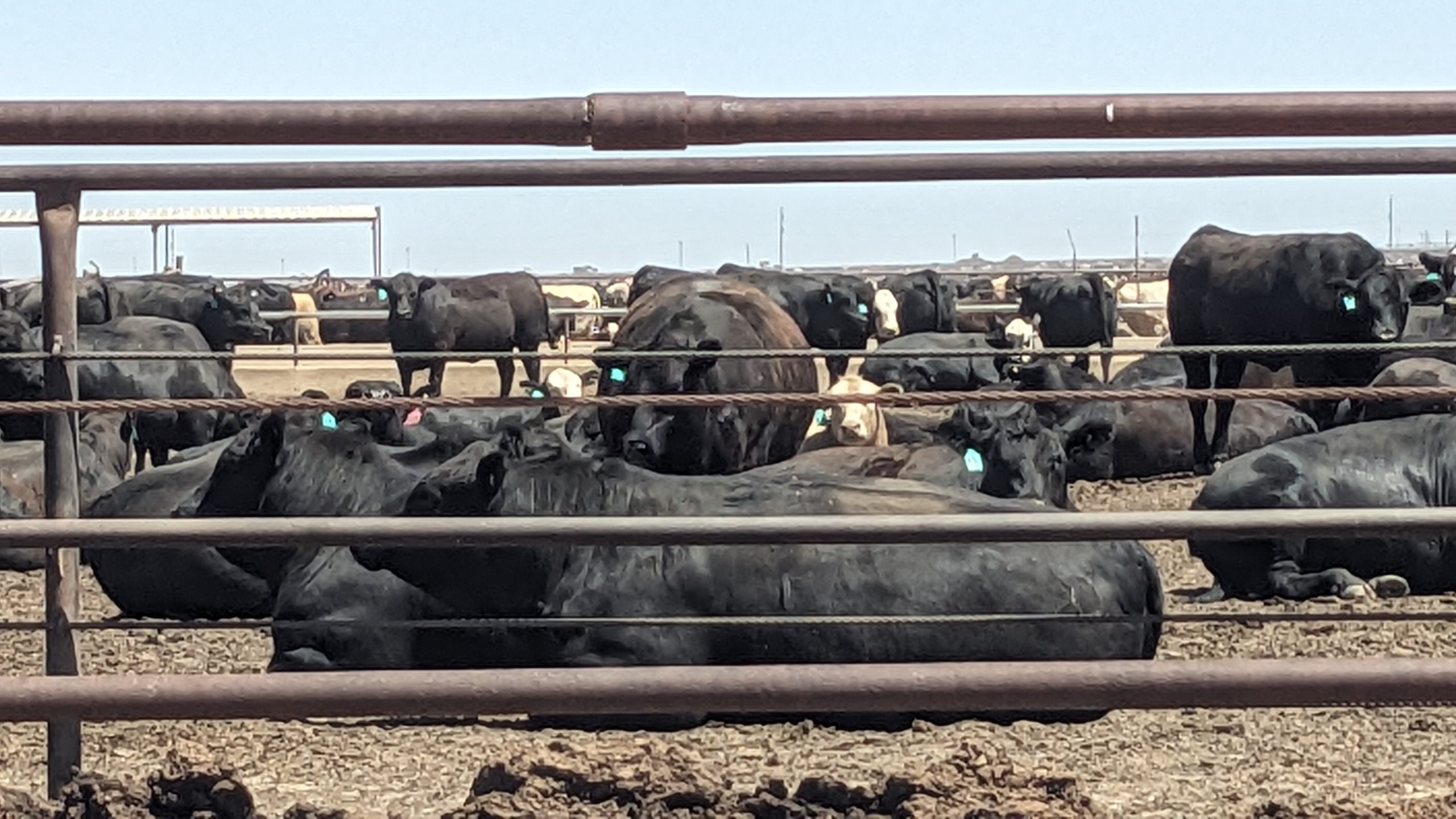
As we’ve outlined in many blog posts and on many tours and other opportunities in the past, the vast majority of beef in the U.S. comes from cattle which were finished on a feedlot. These feedlots confine the cattle in dirt pens with a feed bunk where the cattle are brought their entire nutritional needs via a truck multiple times per day. Once they are placed on a feedlot, they never have another opportunity to graze green grass.

The particular feedlot that we visited has a capacity of 85,000 head, and as we had heard could be the case, we were able to smell the feedyard before we could see it – and you can see a long way out there!

Continue reading Pasture Posts #170
Posted on Leave a comment

Pasture Posts #121

We want to wish all the fathers out there a Happy Father’s Day! Thanks for the impact you have on the next generation.

Here’s the weekly roundup from Watson Farms and your direct connection to your farmer. Enjoy the latest edition of Pasture Posts!

Microbe-friendly Farms

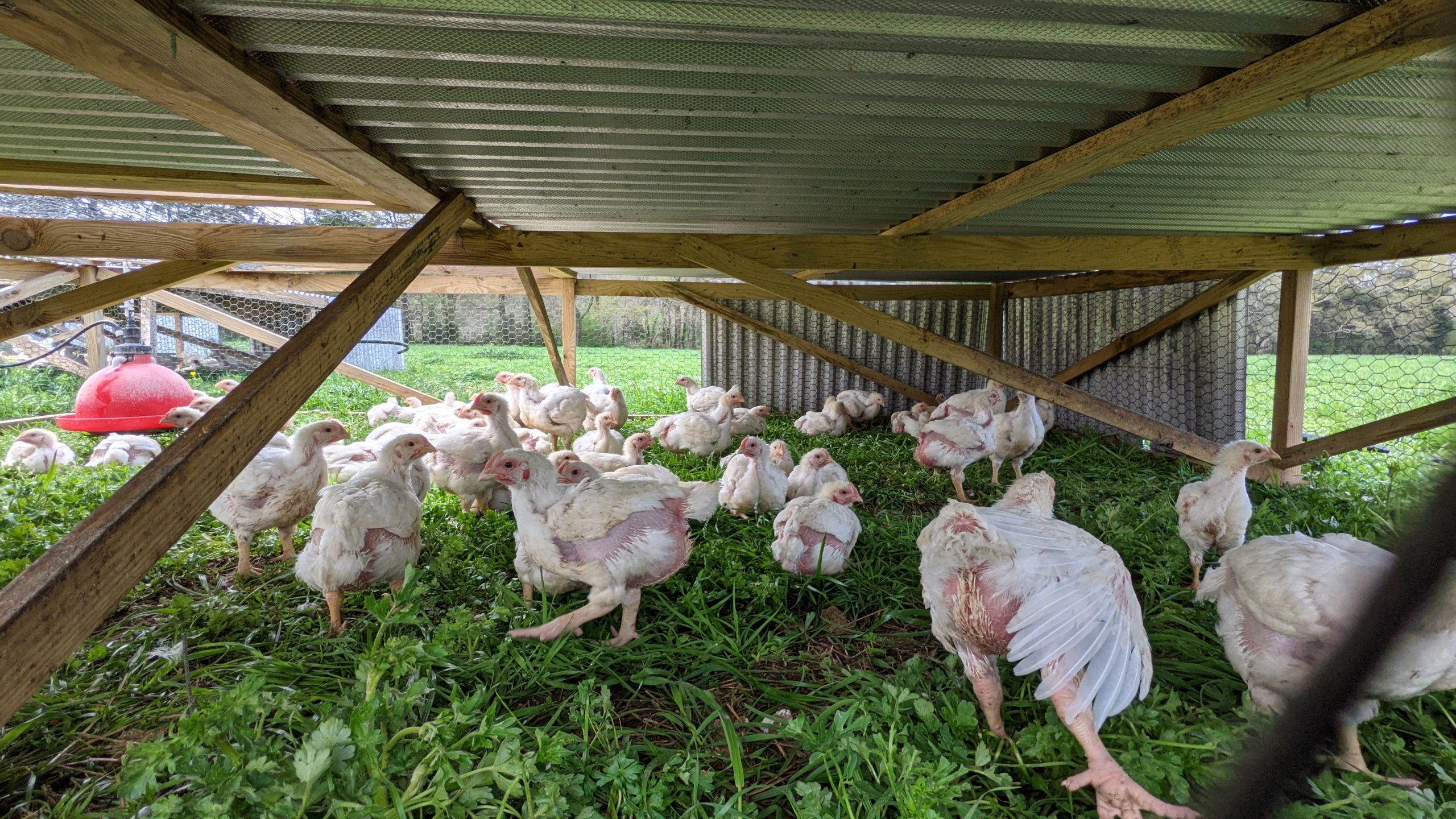
Last week we briefly discussed how on our farm, we can literally stand in the middle of thousands of chickens and smell next to nothing. This is due to the mobility of all of our animals which keeps grass under them instead of manure like in the industry. This is one aspect of a regenerative farm that is inviting rather than repulsing.

This week, let’s look at another characteristic of regenerative livestock farms that make them attractive, and that is the tendency toward life rather than death. When you look at modern industrial agriculture, you see monocrops and the use of lots of “cides” (herbicides, insecticides, pesticides). Although the one thing that a particular farmer is producing may often look good and healthy, the fact is that they likely killed everything around it to achieve this.

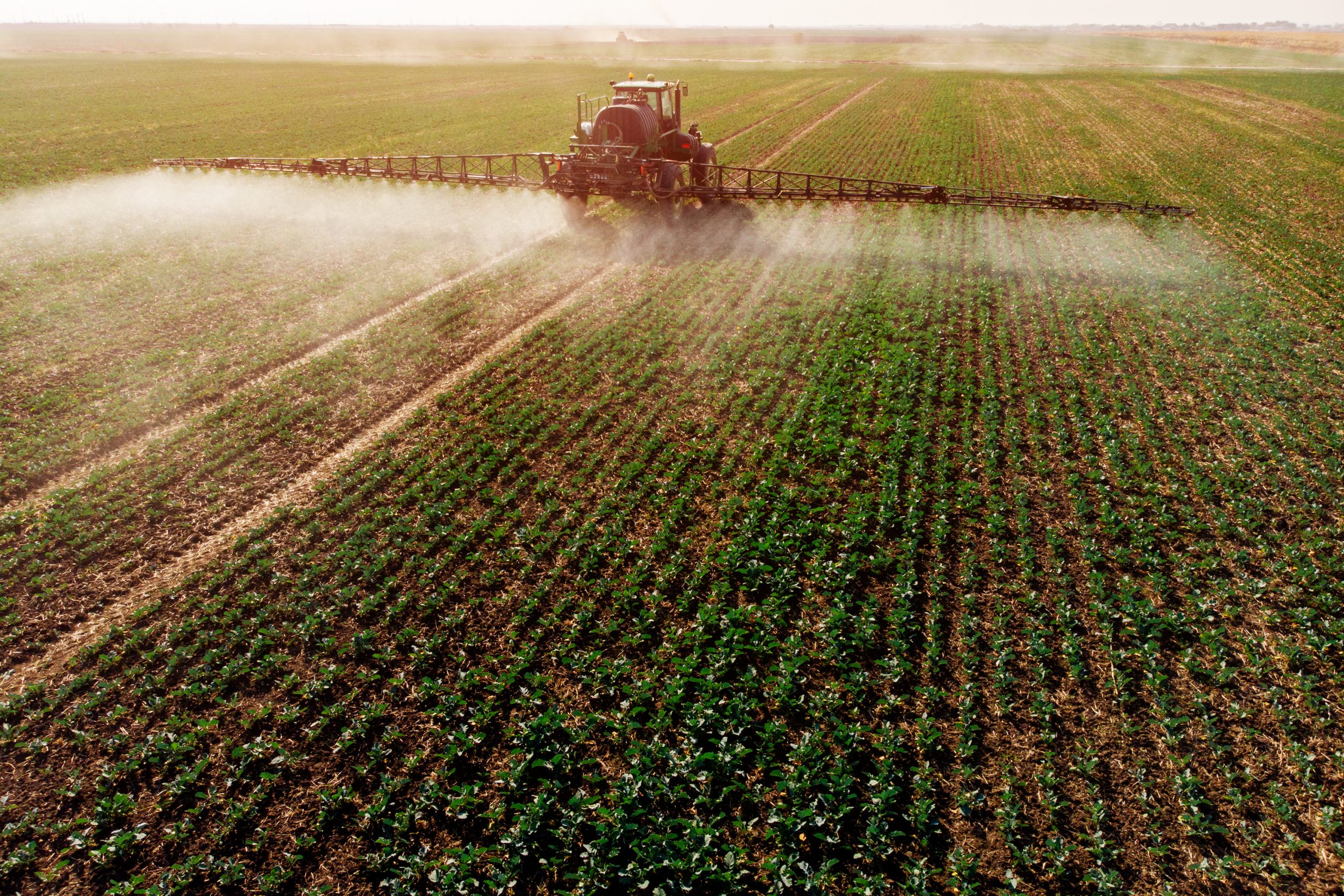
Crop farmers rely on herbicides like glyphosate and paraquat to burn down a field and rid it of any other living vegetation before planting the desired crop.

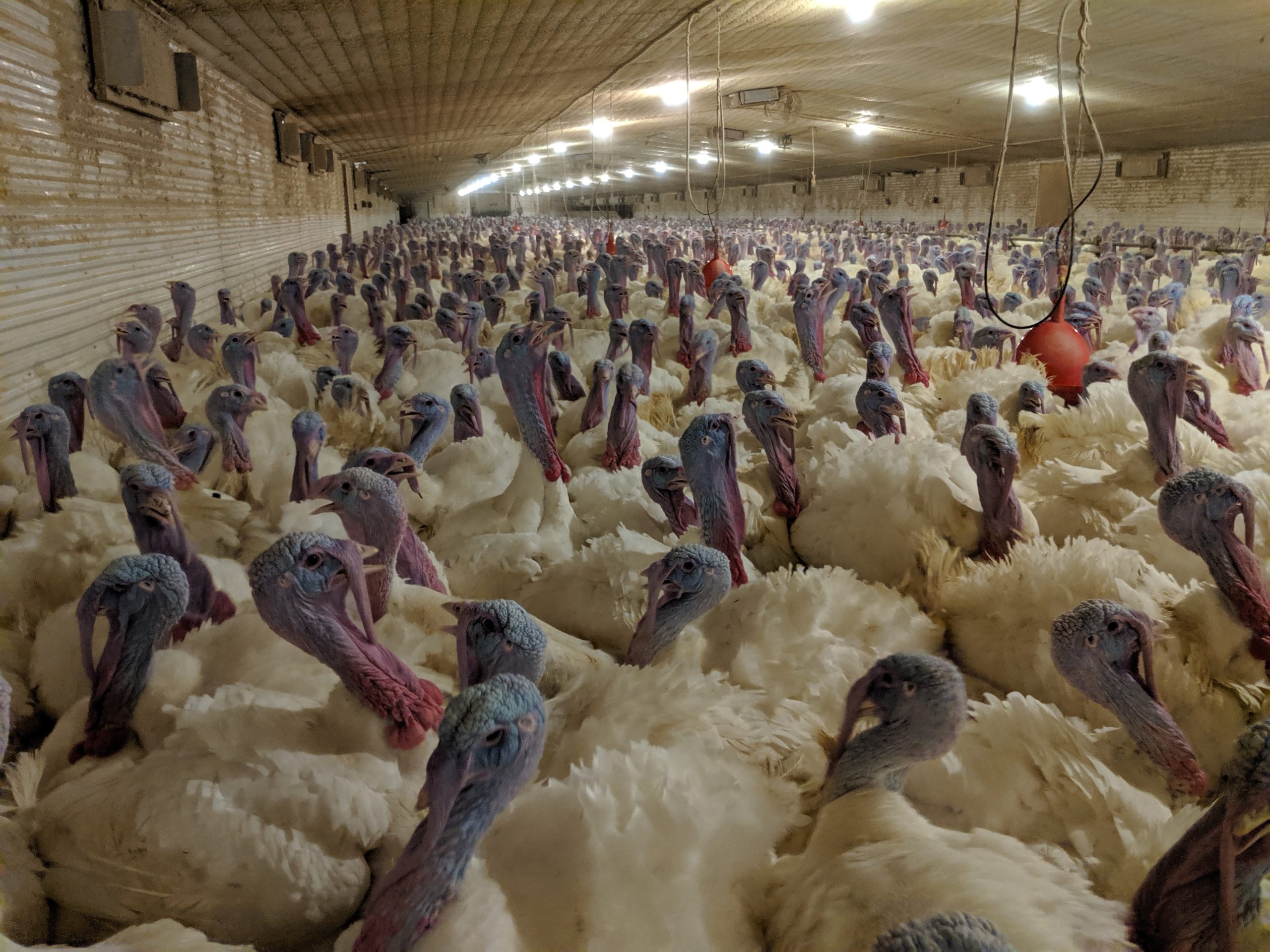
Industrial poultry farmers use a plethora of insecticides and various other chemicals such as creosote and formaldehyde in an effort to sterilize the barns to create an environment that the severely-immune-deficient birds can survive in.

Continue reading Pasture Posts #121
Posted on Leave a comment

Our beef vs. conventional beef

From time to time, we like to highlight the differences between our methods of production and the industrial methods.  With this edition we will be comparing grass-fed regenerative beef like what we raise and its industrial counterpart — grain-fed beef from feedlot cattle. 

We don’t do this to denigrate other methods of farming, but rather to bring consumer understanding to a new level where they can make more informed choices.  Free markets work best when consumers are fully-informed.  This gives the best indication of the will of the people, because the more we know about our food system the better the choices we can make to align with our family’s goals.  And when consumers vote with their food dollar, not only can our food system change very rapidly, but conventional farmers can then transition to better methods of production as well.  

So lets dive in to learn about why our beef is different.  

#1 – Our cattle are always on grass, never on a feedlot, and only eat grass.  

Continue reading Our beef vs. conventional beef
Posted on 1 Comment

Store bought vs. Watson Farms Pasture Raised Chickens

Being that we will be processing our last chickens for 2021 in the near future, we thought it would be a good time to discuss some of what makes pasture raised chickens from a farm like ours so different than what you would normally find in a grocery store. Let’s dive in!

First, since a picture is worth a thousand words, lets look at a photo of the respective environments that we will be discussing:

Watson Farms:

pasture raised chickens

The industry:

Let’s look at some differences we can plainly see in these two production models:

Continue reading Store bought vs. Watson Farms Pasture Raised Chickens
Posted on 7 Comments

10 Differences between Grocery Store Pork and Watson Farms Pastured-Raised Pork!

This is part of a multi-part blog series comparing the benefits of pasture-raised proteins from Watson Farms with the industrial food system counterparts.

Today we come to you with some truths explaining what goes on with industrial pork production and grocery store pork and how it is different from Watson Farms Pasture-Raised Pork!

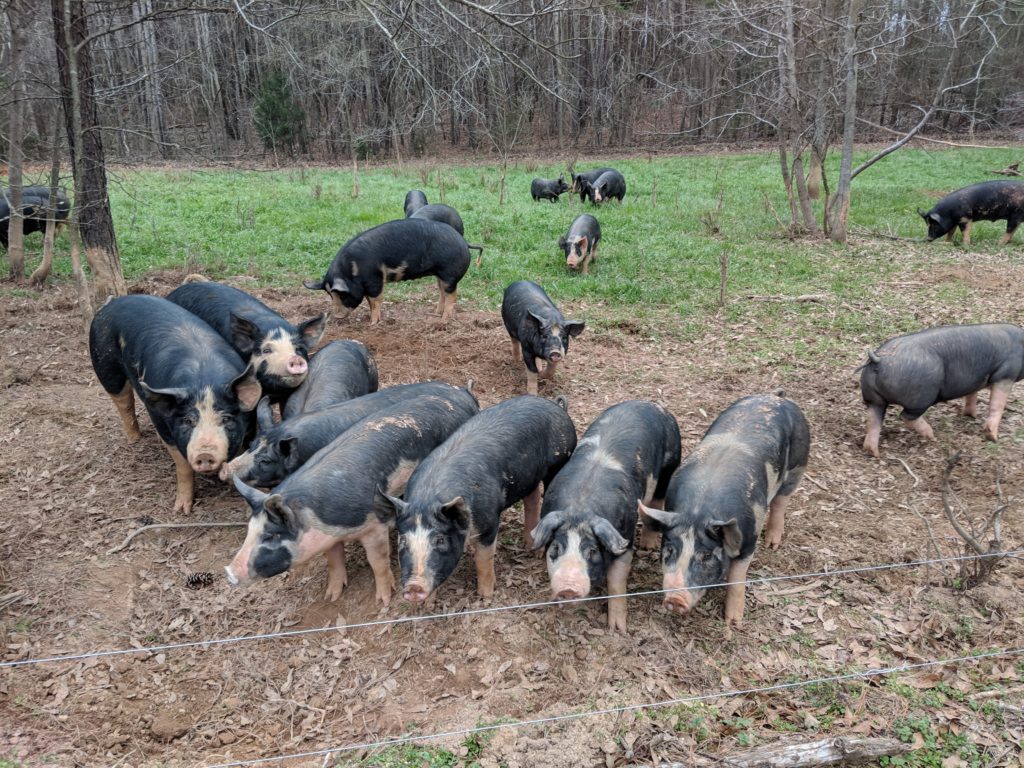
This is how we believe hogs should be raised. ON GRASS. This is the life we choose for our hogs on our farm, but this is not how 90% of hogs in the U.S. are able to live.

Hogs raised on pasture are healthier and produce a better product that consumers are seeking. 

Here are 10 way s that our hogs live a different life than conventionally-raised hogs.

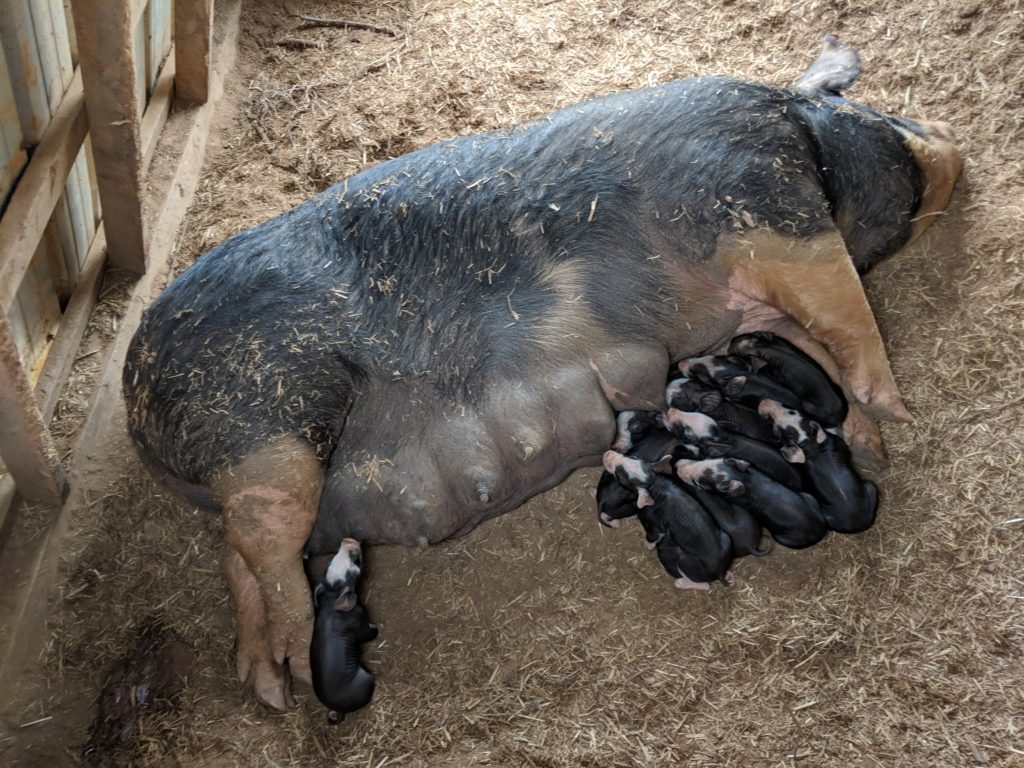
Ours: Mother pigs live and birth naturally and are never confined to crates.
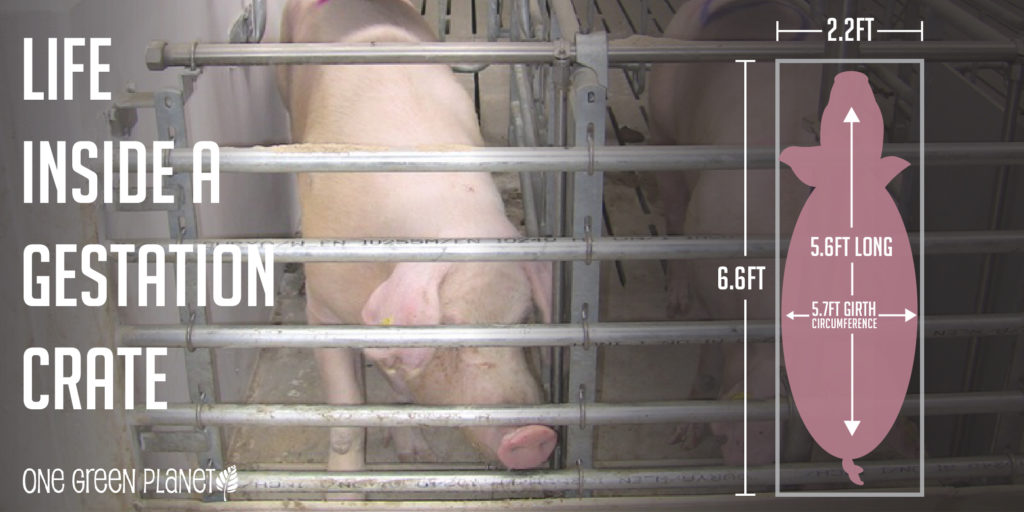
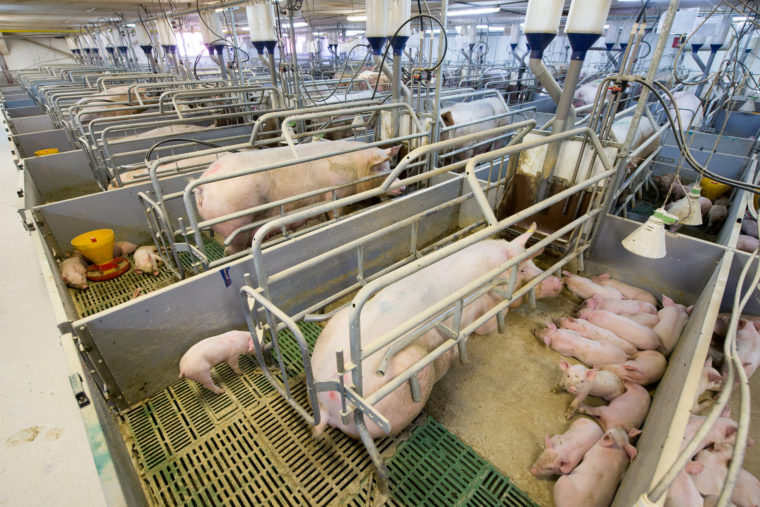
Theirs: Mother pigs confined to crates for the entirety of adult life.

Ours: Raised in an outdoor immune-building environment.
Theirs: Raised in sterile environments promoting weak immune systems.

Ours: Strong immune systems that negate the need for medications. 
Theirs: Weak immune systems that require drugs and antibiotics for survival.

Ours: Allowed to grow naturally and accumulate healthy body fat.
Theirs: Fed drugs like Paylean to promote lean muscle growth.

Ours: Enjoy the sunshine and fresh air daily.
Theirs: Subjected to artificial lighting most of their life.

Ours: Raised in smaller groups outdoors.
Theirs: Raised in large building housing a few THOUSAND pigs at a time.

Ours: Natural breeding when they are ready.
Theirs: Planned artificial insemination in crates or gestation pens.

Ours: Time tested hardy Heritage genetics.
Theirs: Fragile hybridized industrial genetics.

Ours: Regenerative mindset: Happier – Slower – Better Health
Theirs: Industrial mindset: Fatter – Faster – Bigger – Cheaper

Ours: 200+ square feet of rotated pasture space per pig.
Theirs: 7.5 square feet of concrete floor space per pig.

To see some of the differences take a look at the photos below.