Posted on 29 Comments

Naturally de-worming cattle

Many cattle producers use ivermectin in a pour-on form to deworm their cattle.  In our opinion, this is not best as is the case with most chemical approaches in agriculture.  Here’s why we don’t do it:

  1. This method of treatment requires the animal’s flesh to absorb the chemical.  When we as grass-fed beef consumers are particularly interested in the wholesomeness of our meat, the last thing I would want is for that meat to be permeated with a harsh chemical.  I’m not sure if this method of treatment has any effect on those who eat the meat, but I’d rather be safe than sorry. (If you follow the link above, you can see that the FDA requires a 48-day withdrawal period before slaughter.)  Ivermectin also is not approved for use in lactating dairy animals which might tell us something as well.
  2. It’s much easier to de-worm through drinking water as I’ll explain below.

We use Shaklee Basic H to de-worm our cattle.  It is a bio-degradeable, non-toxic soap that has many purposes.  We mix about 1.5 cups per 100 gallons of drinking water and use this mix as the cattle’s only source of water for at least two days.

We can treat our entire herd with about 3,000 gallons of water and about 2.8 gallons of Basic H.  We don’t have to stress them (and us) by getting them in the corral and putting every one of them through the head-gate which could take a week or more of working cattle non-stop.

This method is also used by Joel Salatin and Polyface Farms, and in my opinion should be used by many other farms both conventional and grass-based.

Here’s some pictures of the setup we use.

Posted on Leave a comment

Successful Delivery Day

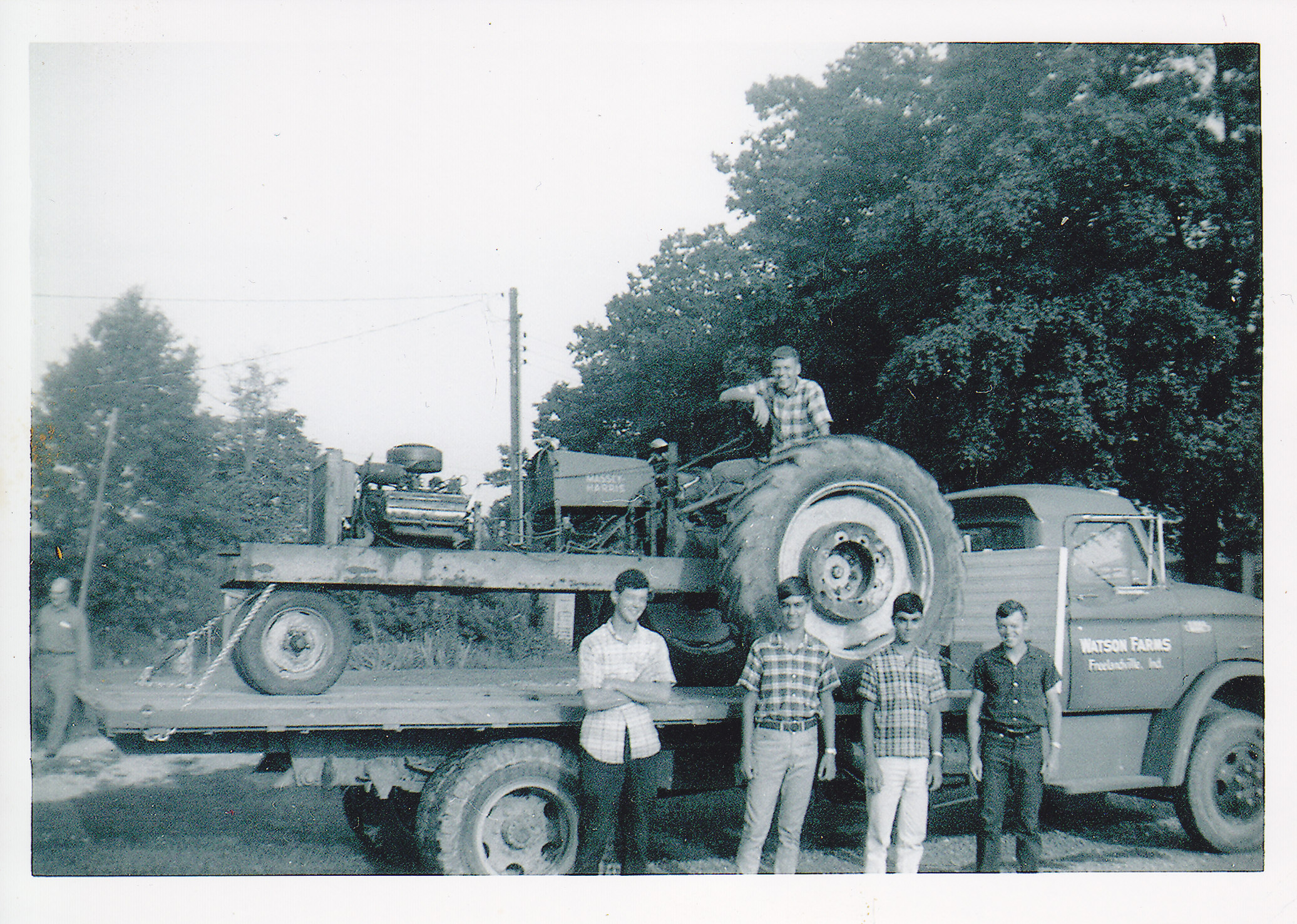
We had a successful delivery day yesterday.  Thanks to everyone who placed orders.  If you missed this time you can place an order for November’s delivery which will be on Nov. 20.  Below is our delivery truck before we headed out yesterday.

[pe2-image src=”http://lh5.ggpht.com/-xPikV1kjttk/VED_76-l4JI/AAAAAAAAIK8/eJEoFyP1rpg/s144-c-o/2014-10-16_13-44-01_850.jpg” href=”https://picasaweb.google.com/110225331386390373685/20141017#6071133702604578962″ caption=”” type=”image” alt=”2014-10-16_13-44-01_850.jpg” ]

Posted on Leave a comment

Bulk Beef

There are many advantages of buying your grass-fed beef in bulk:

  • Save money over purchasing beef at retail rates. Most customers can save $150 on a half and around $400 on a whole compared to retail prices.
  • Have it cut to your specifications.
  • Save trips to the store by always having beef conveniently in your freezer.
  • Click here to go to our Bulk Beef Page.
Posted on Leave a comment

100% Grass-fed and grass-finished

Grass is what cattle were designed to eat, and that’s what our cattle get.  But not all grass is the same.  Cattle generally will gain weight and fatten better on annual forages than perennial grasses.  This is why we reserve a small amount of annual pasture to concentrate our finishing cattle on.  We also allow the cattle enough time to reach their true potential rather than harvesting them before they are finished.  We only harvest our cattle off of the best grass and never allow them to lose weight at any time.  These methods ensure that the beef you purchase tastes great and is good for you.

We use rotational grazing to get the most out of our pastures.  In this method the cattle graze one paddock or section at a time until they graze it to a certain point.  Then the cattle are allowed to graze another paddock while the previous one regains growth.

Our pastures consist of native perennial grasses as well as winter and summer annuals that we reserve for our finishing class of cattle.

We supplement with hay in the winter or in drought.  Contact us with any other questions you may have.