
Here’s the weekly roundup from Watson Farms and your direct connection to your farmer. Enjoy the latest edition of Pasture Posts!
When we chose to finish cattle on grass only for the first time back in 2007, it wasn’t because it was familiar or easy. In fact, my dad and granddad had far more experience in grain-finishing as they operated a small feedlot in southern Indiana decades earlier.
The main reasons we challenged ourselves with a grass-only protocol was that we believe that a cow’s digestive system is designed to and has the unique ability to convert forage into nutrient-dense meat. Ignoring this miracle-like ability of ruminants not only disgraces the cow by not recognizing the “cowness of the cow” as our friend Joel Salatin might put it, but it also deprives the consumer of the ability to have a health-enhancing meat product instead of a health-diminishing one. Not to mention all the land-healing that a properly managed grass-fed cattle herd can do.
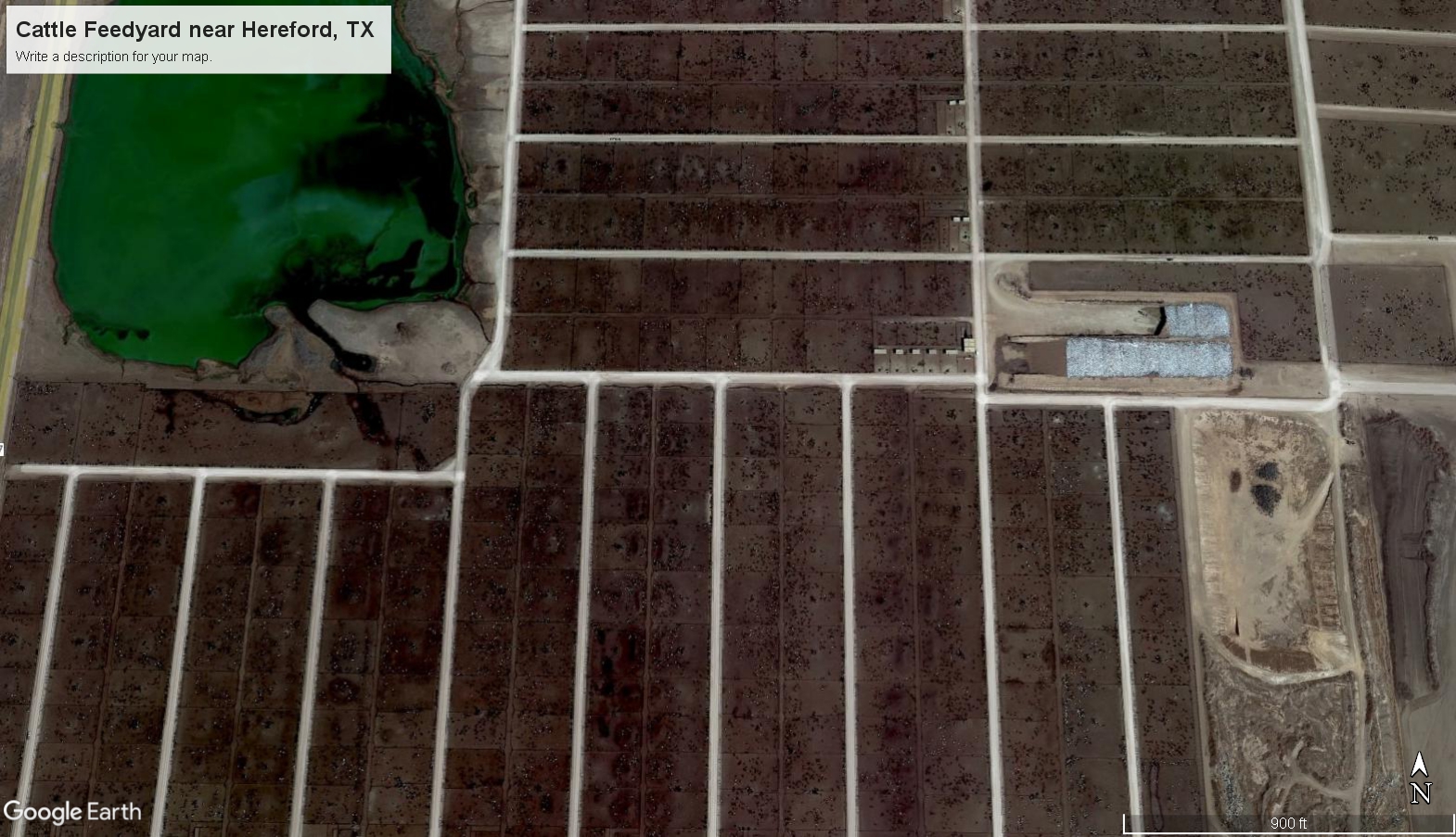
We believe this method of cattle production easily exposes all the shortcomings of the feedlot industry which has become the standard practice of beef production in the U.S. This practice has the potential to give all cattle finishers the bad reputation of being the cause of excess methane from cattle. Consumers must be increasingly committed to educating themselves and their friends and family of the pitfalls of the conventional methods and the obvious benefits of a properly managed mob-grazed grass-fed system that mimics the vast herbivore herds that we see naturally occurring such as the American bison herds that the pioneers found in bygone centuries.
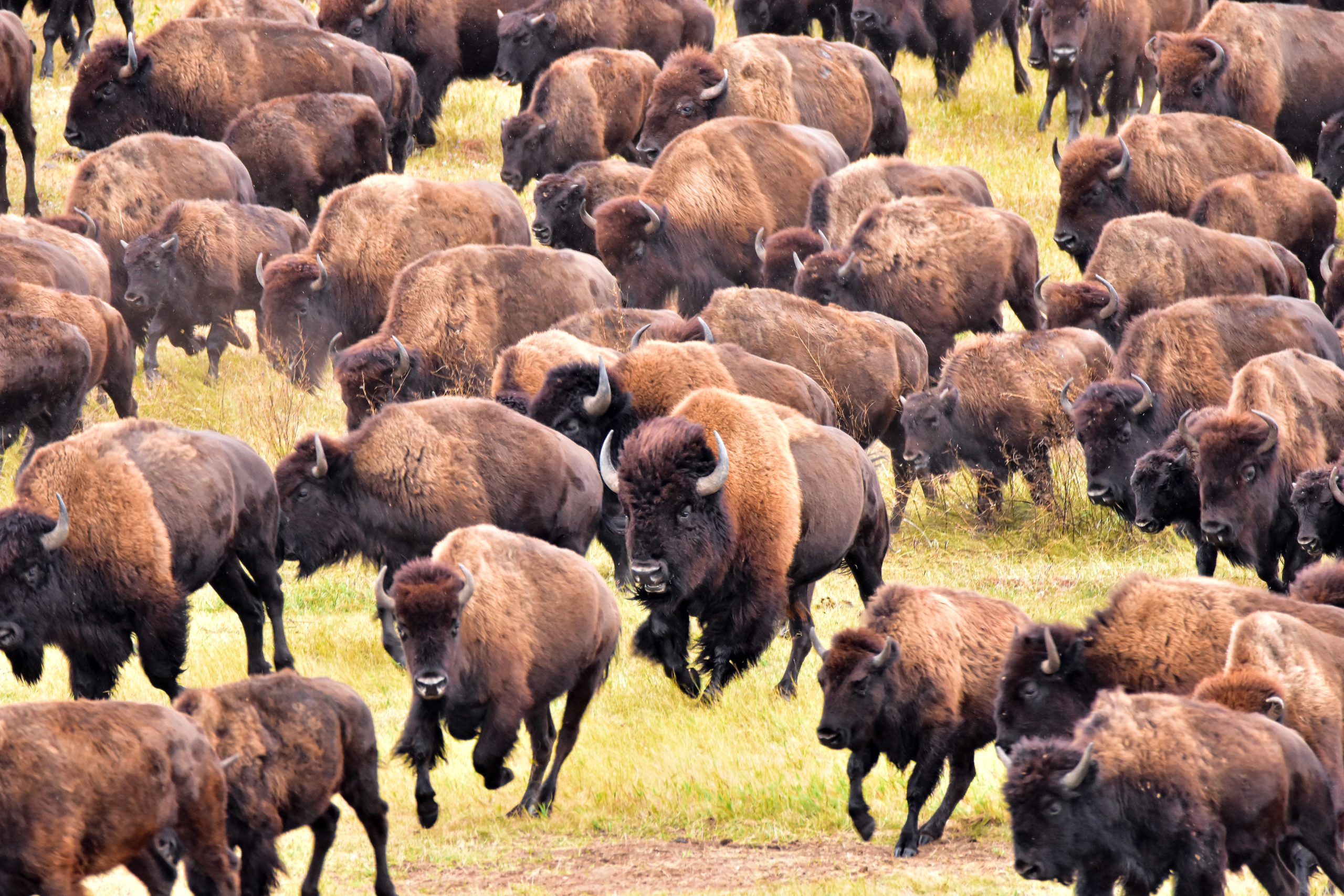
We discussed the mob-stocking method of grazing in a little more detail in Pasture Posts #29 if you want to check that out.
A more recent industry that has emerged is that of plant-based meat, but we believe that this highly processed protein can easily reveal the benefits of locally-produced grass-fed beef as well.
One pitfall of the plant-based meat imitations is that they often use complex synthetic compounds. A rather convincing case can be made that our bodies are not able to process synthetic chemicals such as methylcellulose and that we should avoid them altogether.

Another glaring contradiction that plant based meat corporations ask consumers to accept is trading locally produced, pasture-raised animal proteins for soy and pea proteins that are produced in a monocrop setting. Some companies also use genetically modified ingredients in order to make the burger appear to “bleed”.
While perhaps a case could be made that this man-made meat might be better than the factory style production method of cattle found on western feedlots today, plant-based burgers have their own set of issues and risks that can be quite easily solved with mob-stocked grass-fed beef.
On the bright side, I think that a large number of consumers will choose to research more and more how their food is produced and will determine for themselves that sourcing directly from a farm like Watson Farms is the best way to eat with confidence.