Join Our Journey: Better Farming, Better Flavor

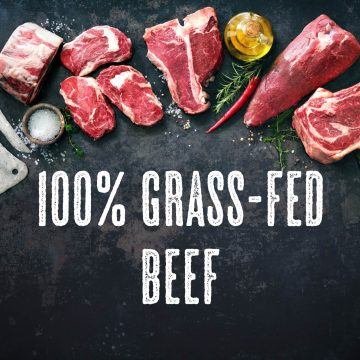
✓ 100% USA Grass-fed Beef
✓ No Confinement, Crates, Cages, or Feedlots
✓ Naturally Raised, Non GMO, mRNA-free

Learn More

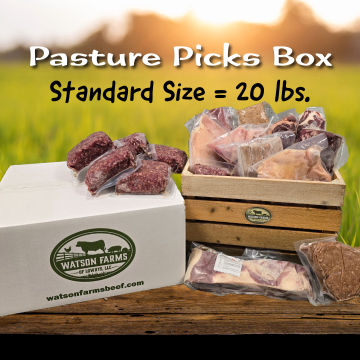
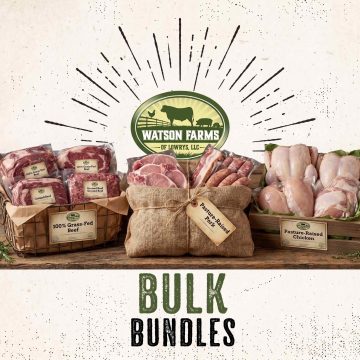
Stock your freezer and save—click below to explore our 100% grass-fed bulk beef bundles.

Watson Farms Bulk Beef Bundles - 100% Grass-Fed Beef
Shop by Category

Best Sellers

On Sale

From Our Pasture To Your Porch

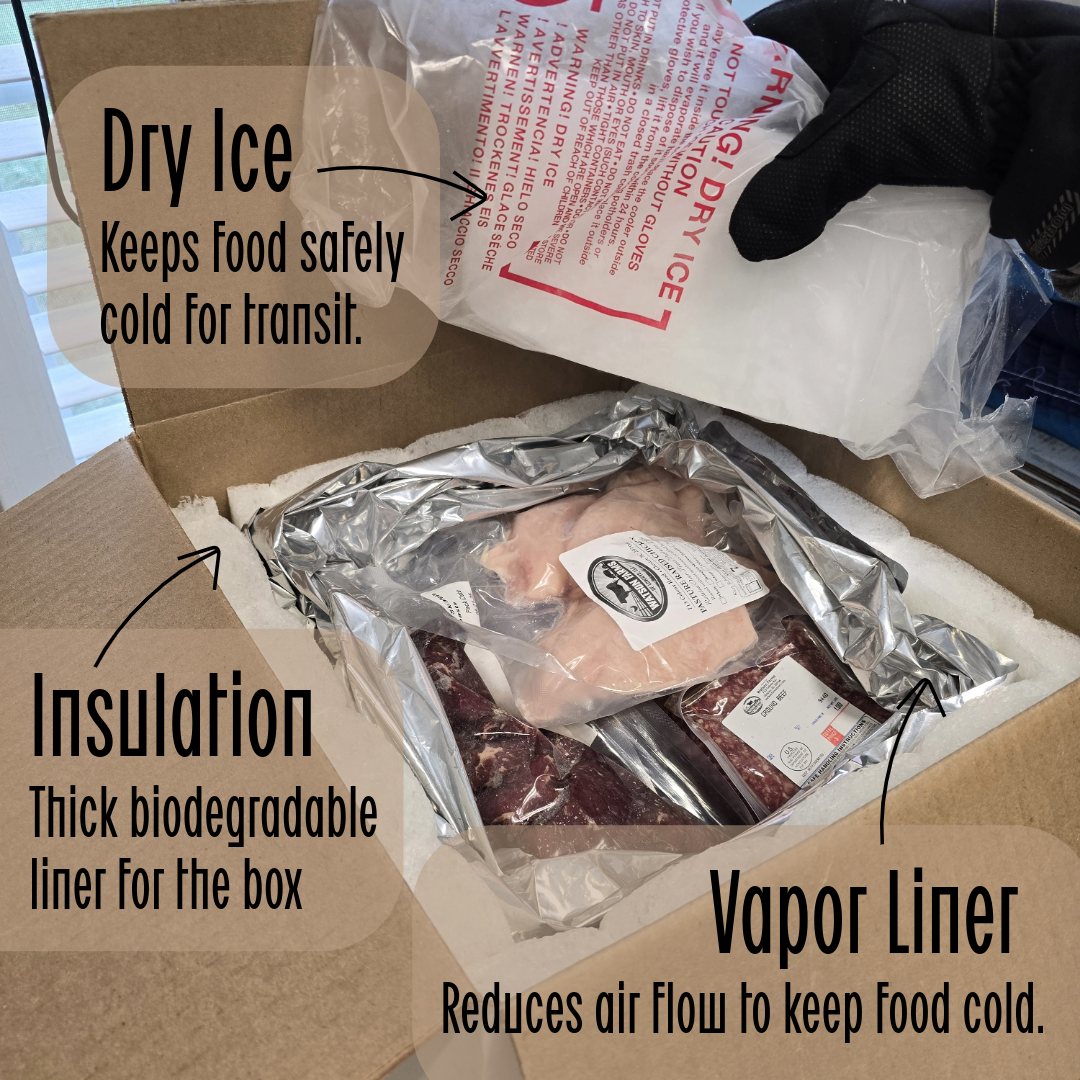
Whether you live just down the road from our Chester, SC farm or a few states away, we’ve perfected the art of cold shipping. After sending thousands of packages directly to families like yours, we feel completely confident that your order will arrive cold, safe, and ready for your freezer—no matter the season.

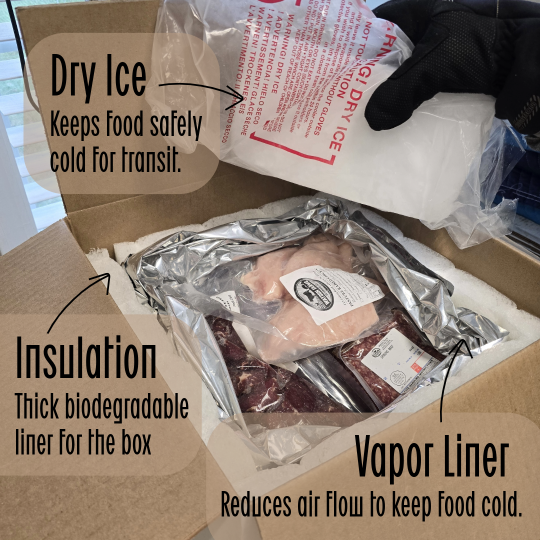
  1. Insulated Thermal Liner
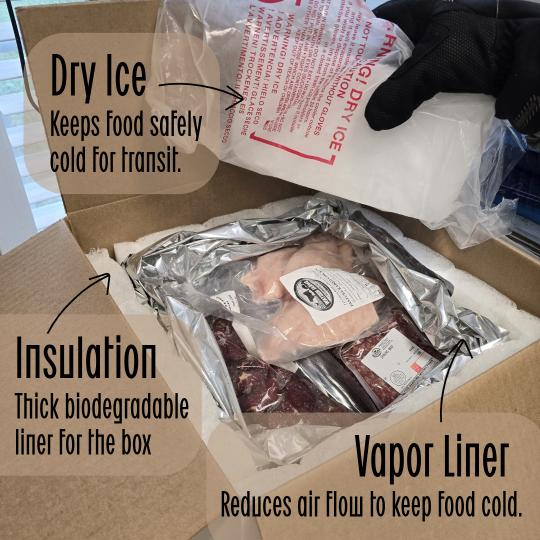
    – Our heavy-duty shipping boxes are outfitted with a high-performance insulation barrier. This creates a powerful shield that blocks out external heat and maintains a miniature deep-freeze environment for the entire journey.
  2. Protective Foil Layer
    – Tucked safely inside the insulation is a specialized foil liner packed tight with your 100% grass-fed beef, pastured pork, or pastured chicken. This layer minimizes air transfer and locks sub-zero temperatures directly against the meat.
  3. Sub-Zero Dry Ice
    – The final step before sealing. We place fresh dry ice directly on top of your order. The exact amount is carefully calculated based on current weather forecasts and your distance from our farm, ensuring a safe delivery even on the hottest summer days.

Recent Blog Posts

Pasture Posts #291

To the untrained eye, our freshly grazed pastures can look messy. Uneven. Unfinished. In fact, to folks steeped in industrial agriculture, it might even look downright wasteful. 

Cattle in our mob-grazing system only eat about a third of what’s in front of them. They trample another third flat into the dirt, and they leave the bottom third standing tall.

Why in the world would a grass-fed beef producer deliberately “waste” good forage?

To answer that, we have to revisit an evergreen principle that has guided our grazing management since our earliest days—one we first broke down way back in Pasture Posts #19 and demonstrated during heavy spring downpours in Pasture Posts #55. We call it the Rule of Thirds.

The 10-Year Compound Interest in Our Back Pastures

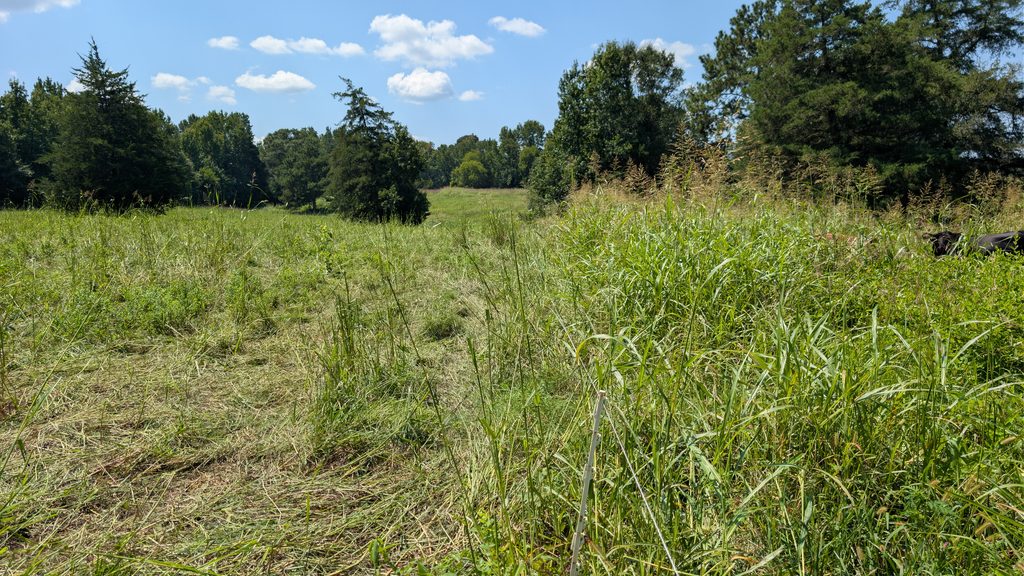
We’ve had this principle on our minds heavily over the past few weeks. Recently, we moved the herd through some of our back sections where the summer forage—mainly a thick, vigorous mix of Johnsongrass and crabgrass—had exploded following the late-summer rains. In many spots, the Johnsongrass stood an astonishing 8 to 9 feet tall.

Before and after a daily move: Dense, 8-foot jungle on the right (spot the cows if you can!) and protected, insulated soil on the left. The power of rotational grazing in one single fence line.

When grass gets that high, the herd inevitably leaves more than a third standing, but the underlying principle remains identical. What’s most rewarding to see is why those back sections are flourishing with such incredible biomass in the first place.

About 12 years ago, we tackled a major infrastructure project back there: subdividing roughly 150 acres with cross fencing and laying dedicated underground water lines. That investment gave us the ability to step away from continuous grazing and build daily paddocks sized precisely to what the herd needs for 24 hours of grazing.

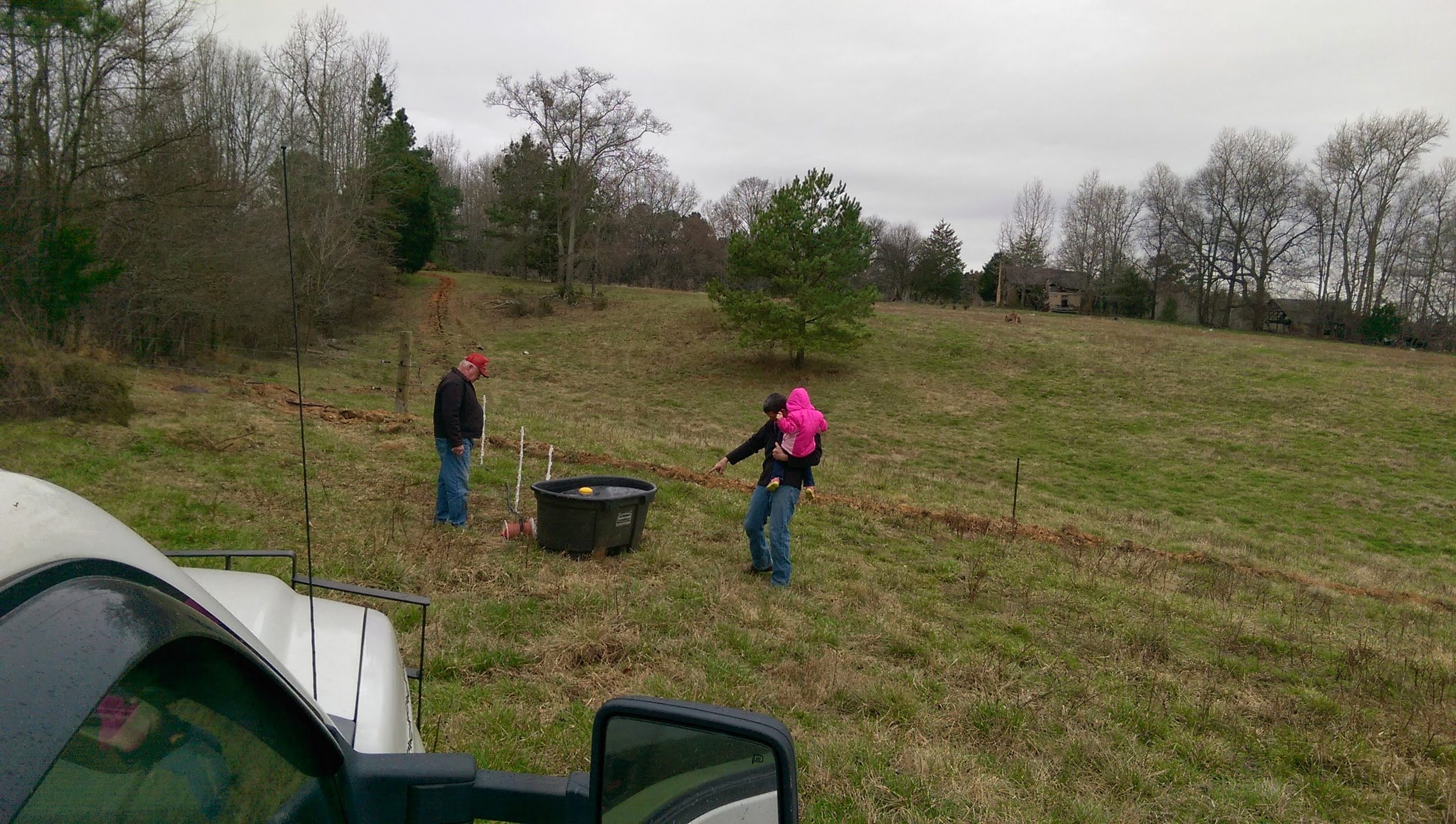
March 2015. New fences, brand-new pipe, and a lot of hope for what rotational grazing could do for this land. Dad (Gary) and I had just wrapped up six months of building cross fences and laying water lines through our back sections. Here I am trying to explain the ins and outs of a portable drinker tank to 2-year-old Abby. Looking back over a decade later, it’s incredible to see how that infrastructure laid the foundation for the resilient, living soil we have today.

Continue reading Pasture Posts #291

Pasture Posts #290

If you have lived in the Carolinas for more than five minutes, you know July and August are rarely gentle. But even with the calendar flipping into September, summer clearly hasn’t gotten the memo. A quick glance at our local 7-day forecast shows the heat isn’t giving up just yet—with highs parked right back up in the 90s throughout the coming week.

Between baking interstate asphalt, afternoon humidity, and delivery vans sitting under an unrelenting sun, late-summer heat puts any shipping system to the ultimate test.

Whenever folks order perishable, pasture-raised meat online for the very first time, there is almost always a quiet question in the back of their mind:

“Can a box of raw, pasture-raised beef, pork, and chicken really survive travel through 90-degree heat and arrive safely on my front porch?”

It is a completely reasonable question. Delivering highly perishable, frozen food direct from our pastures to your doorstep isn’t easy—it takes deliberate planning, engineered insulation, fast packing, and great teamwork.

With over four months of summer weather behind us and unseasonable heat lingering on, we wanted to pull back the curtain and share a look at how our cold-chain system has performed.

The Summer Scorecard (May 1 to Present)

From May 1 through this week, our fulfillment crew has had their hands full:

  • Over 1,700 orders shipped directly from our farm.
  • Delivered to doorsteps across 30 states from right here in Lowrys, SC.
  • A 99%+ safe-delivery rate: Over 99% of those 1,700+ packages arrived cold, wholesome, and ready for the freezer or grill. Fewer than 1% encountered transit delays or temperature issues.

In the world of perishable e-commerce during a blistering Southern summer, maintaining a 99%+ success rate across 30 states is a milestone we don’t take lightly.

What It Takes to Beat the Heat

Keeping meat cold across a commercial freight network takes a lot more than tossing some ice into a cardboard box. It comes down to a fine-tuned system:

1. Engineered Packing & Sublimation Rates

Every box that leaves our packing room is lined with high-density thermal insulation and packed tight to maximize “thermal mass”—meat stays coldest when it is surrounded by other frozen meat.

To keep interior temperatures sub-freezing, we pack between 5 to 10 pounds of dry ice per box, calculated precisely based on whether your destination is a 1-day or 2-day carrier transit. Dry ice sublimates (turns from solid directly into gas) at a bone-chilling -109.3°F. That vapor creates a heavy, descending envelope of sub-zero air that shields your meat while it travels through distribution hubs and hot delivery vans.

Caption: Inside our pack room: High-density thermal liners and solid dry ice create a descending sub-zero vapor envelope, keeping cuts protected and cold all the way to your door.

2. Fast Fulfillment in a Climate-Controlled Pack Room

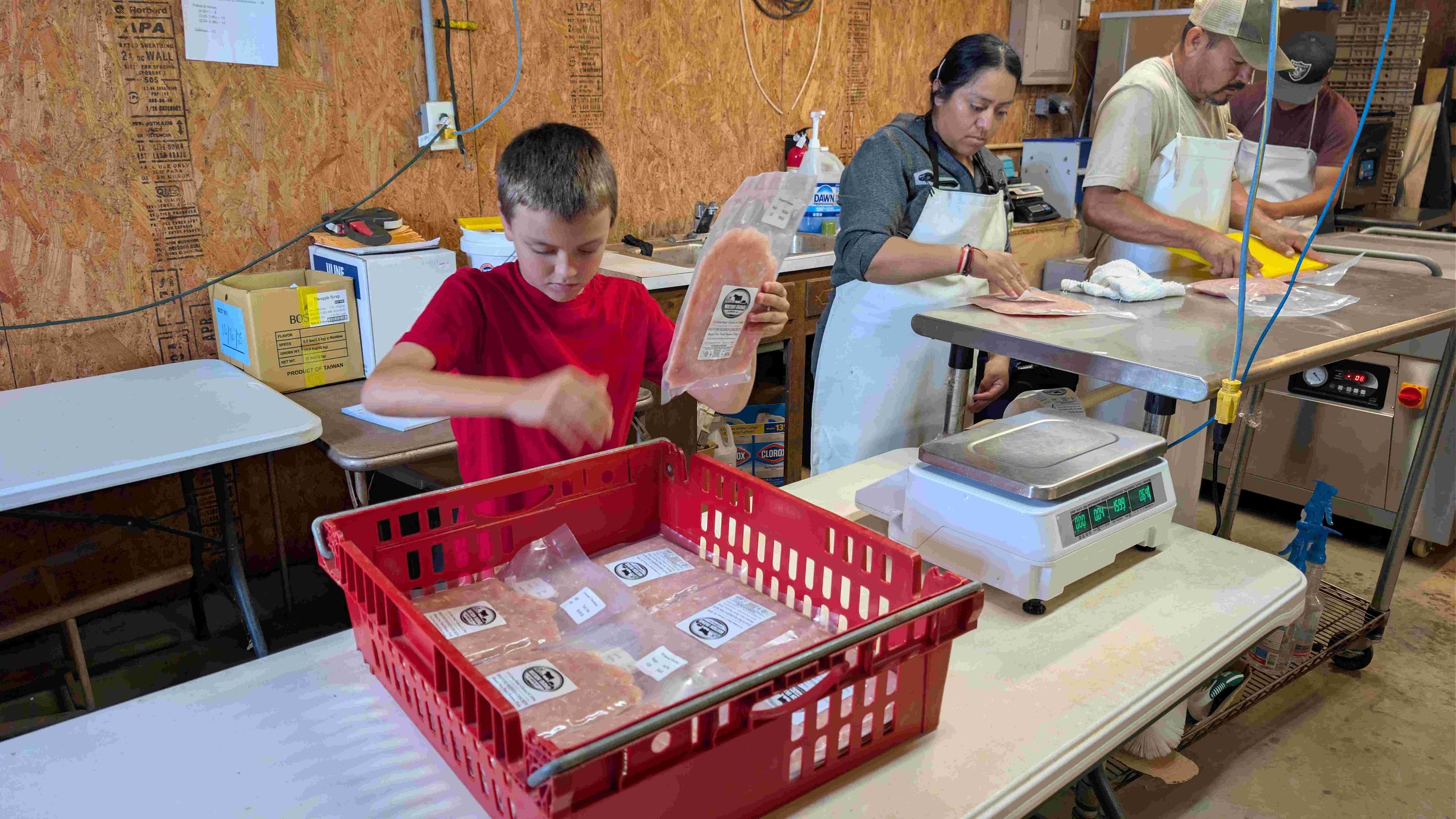
None of the packaging matters if the meat isn’t handled properly on our end. A huge share of the credit belongs to our fulfillment team—Daniel, Jay, and our crew. We do all of our packing in a dedicated, cool air-conditioned room that our walk-in freezers open directly up to. The team pulls frozen cuts straight from the freezers into the cool packing space and assembles orders rapidly so the meat never experiences a thermal break. Once that heavy-duty tape seals the insulated box, all that cold energy is locked in.

3. Dedicated Carrier Drivers

We also want to give credit to our carrier logistics partners and local delivery drivers. Running routes in late-summer heat with cargo bays that easily top 110°F is grueling work. Their consistency in hitting tight 24- to 48-hour delivery windows is what allows a family farm in Chester County to reliably feed households across half the country.

Understanding the Watson Farms Guarantee: The Cold Arrival Standard

Continue reading Pasture Posts #290

Pasture Posts #289

Summer is still holding on strong here in Lowrys, but despite the heat, the pastures are tall, green, and thriving. We have a lot of exciting farm updates this week—including a brand-new product we’ve been eager to share, a full beef restock, and a behind-the-scenes look at how we train new cattle to join our regenerative grazing system.

Brand New: Watson Farms Ground Chicken Has Arrived!

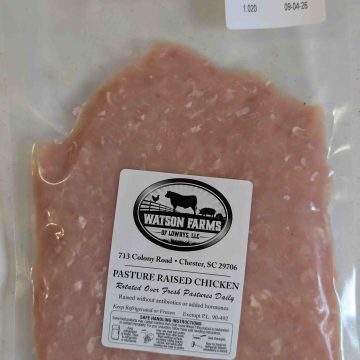
If you caught Kelly’s note earlier this week, you knew something exciting was in the works. On Friday, we ran our very first batch of Watson Farms Pasture-Raised Ground Chicken!

We’ve had requests for clean, pasture-raised ground chicken for a long time, and we wanted to make sure we got the texture and flavor just right. We ground this initial batch using a wholesome blend of boneless skinless breast meat and rich, deboned dark meat from our pasture-raised chickens.

  • Zero additives: No added water, no sodium solutions, and no fillers.
  • 100% pasture-raised: Clean, nutrient-dense poultry raised outdoors on fresh forage and sunshine.
  • Kitchen versatility: Perfect for homemade chicken burgers, meatballs, white bean chili, tacos, or quick weeknight lettuce wraps.

Inventory from this first run is limited, so grab yours while this debut batch lasts:

Grass-Fed Beef Restocked (+ What’s Really in Grocery Store Ground Beef?)

Our freezer shelves are fully replenished with your favorite steaks, roasts, and ground beef cuts:

👉 Browse Restocked 100% Grass-Fed & Grass-Finished Beef

Continue reading Pasture Posts #289