Posted on

Pasture Posts #251

Here’s the weekly roundup from Watson Farms and your direct connection to your farmer. Enjoy the latest edition of Pasture Posts!

Winter Moves for the Red Wattles

Hey everyone,

We hope you’re staying warm as we get deeper into December. Out here on the farm, the seasons dictate our rhythm, but the work of moving animals to fresh pasture doesn’t stop just because the temperature drops.

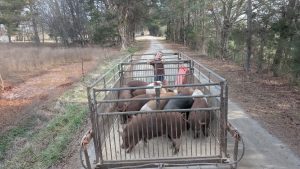
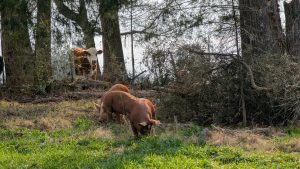
In this video edition of Pasture Posts, we wanted to bring you along for a “pig paddock shift.” We just moved a group of about 30 Red Wattle pigs to a new paddock, and they wasted no time getting to work on some volunteer ryegrass and hunting for acorns.

Watch the Video: December Pig Update

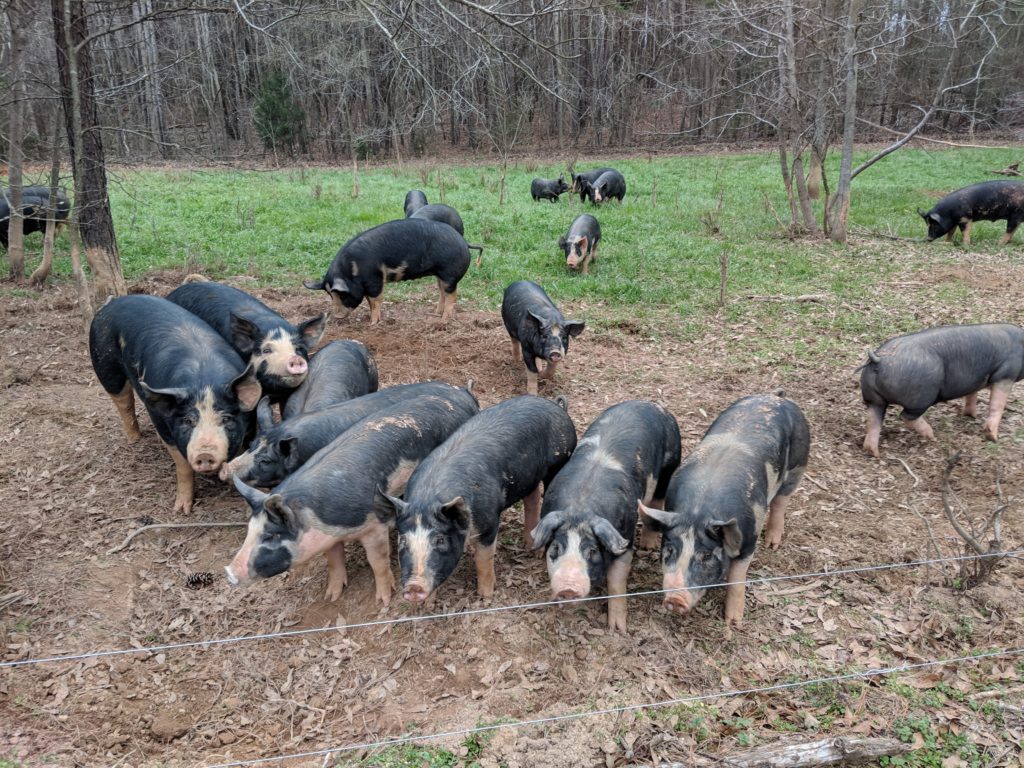
One of the things we pride ourselves on is that our pigs live a far different life than the 97% of hogs raised in industrial confinement. Instead of concrete, these guys get green grass, fresh air, and the thrill of rooting around in the woods. We move them about once a week to make sure they don’t overdo the disturbance to the land—you can actually see in the video that the paddock they just left still has some green in it.

Keeping Them Cozy

You might wonder how they handle the mid-December chill. We keep a couple of wagons in the paddock with them to offer shelter from those cold winter rains. When the weather gets really rough, we blow dry straw into the wagons. It acts kind of like a blanket; they can burrow down into it and stay nice and warm.

It’s all part of ensuring they live as good a life as a pig possibly can here in the Piedmont of South Carolina.

We hope you enjoy this look at the farm, and can see the care that we strive to offer our animals.

As always, you can stock up on all of our products over at the website.

All the best,
Your Farmer, Matt


Check out this ⭐⭐⭐⭐⭐ review from Diane:

“Top quality meats! Love how the animals are raised with care. No toxins, all natural. This is meat I can trust. I am surprised that the prices are not as high as I would have thought as well. Will be ordering again for sure. Easy to order and can be picked up or shipped. So glad I heard of this farm!”

We would greatly appreciate it if you would be kind enough to leave us a review.  It helps first-time customers purchase with confidence.


Shipping Timeline and Store Hours

UPS Orders (all orders ship with insulation and dry ice):

UPS orders normally ship out on Mondays – Wednesdays.

This is the last full week of shipping before Christmas! To guarantee delivery by Christmas, place your order now.

We will try to ship your order on the next shipping day as soon as we have it assembled.

You should receive a text message and email with a tracking link when your order ships.

Farm Pickup (Always Free!): Please wait until you receive an email stating that your order is ready to be picked up (usually 1 business day from when you place your order). Farm pickup is done during store hours:

Monday, Tuesday, Thursday, Friday: 10am to 6pm
Saturday: 10am to 2pm
Closed Sunday and Wednesday


Tell a Friend!

It’s now easier than ever to Give $15 and Get $15 through our Referral Program. We don’t spend a lot of money of advertising, but rather we focus on producing products that people love and are willing to tell others about. So we depend on word of mouth to find new customers and ultimately to heal more land.

So in an effort to streamline this process we have made it easier to tell others (via email, Facebook, or Twitter) about Watson Farms. And it’s all automated on the backend, so you don’t have to rely on us to issue the store credits manually. Just head over to our Referrals Page and start sharing!


Thanks again for being partners in this endeavor of local, pasture-raised proteins that has truly transformed our farm.  We look forward to continuing this transition while serving you long into the future.

Sincerely,

The Watsons


Pasture Posts is written and/or edited by Matt Watson.

Posted on

Pasture Posts #206

Here’s the weekly roundup from Watson Farms and your direct connection to your farmer. Enjoy the latest edition of Pasture Posts!

Graduating to the Finishing Paddocks

Despite a current gap in finished hogs ready for processing (which has us a little short on pork at the moment), we are working hard to keep our pigs on pasture as happy as possible, which will get them to their finished weight as quickly as possible.

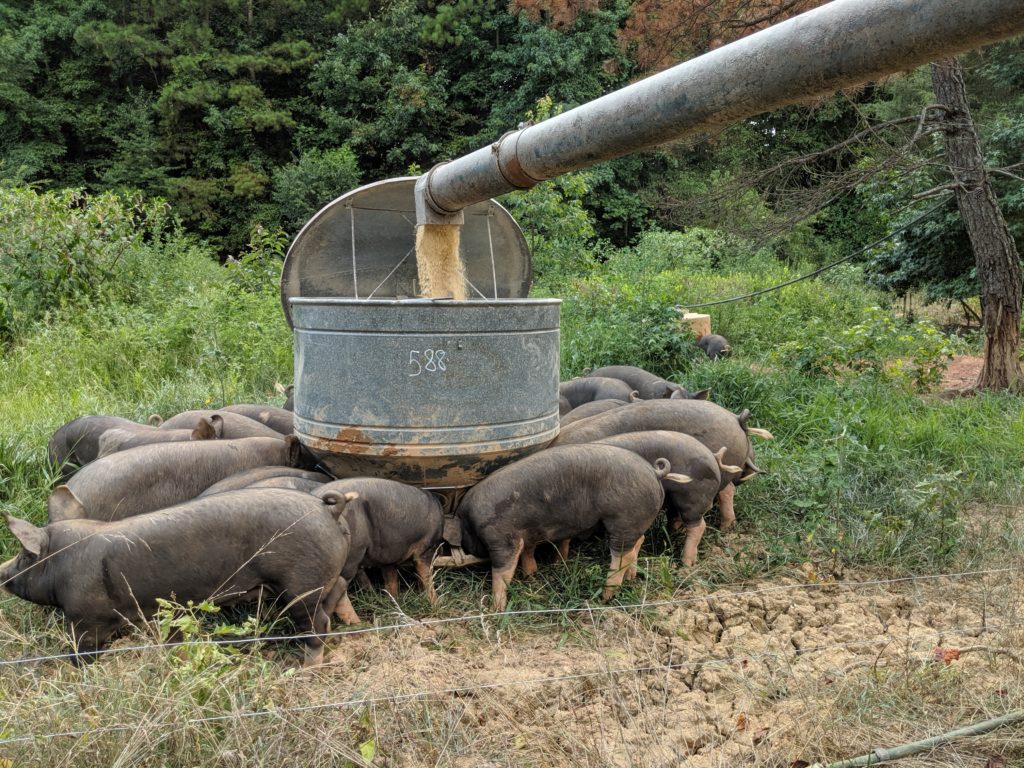
One key point of inflection in the life of our pig herds is when they move out to the finishing paddocks. This move occurs after they have had some time in our starter paddock where they get trained on electric fence and a self feeder, and we make sure that everyone is healthy. This starter paddock also has some A-frame huts that provide some extra shelter for the smaller pigs which is especially important in the winter.

So with the weather taking a turn for the better lately, we removed the feeder from the starter paddock for about 12 hours which makes the pigs far more willing to go into the hog cart. On Friday morning, after sprinkling a little feed on the floor of the hog cart, 19 of the 30 pigs eagerly walked in, and we raised the hydraulic trailer and took the pigs over to a finishing paddock with feed, water, excellent grass, and good fence.

We went back for the remaining 11 pigs who needed just slightly more coaxing, but in about 15 minutes we were taking them as well to their new home.

Continue reading Pasture Posts #206
Posted on Leave a comment

Videos: A window into our farm


We know that transparency is a huge priority to our customers.  You want to know how our livestock live and are treated.  You want to know what they are fed and what they aren’t.  You want to see what a day in their life is like, so that you can be assured that you are actually making a difference in our food system by supporting a local family farm.  

While not all consumers feel this way yet, we can see that the number of those who do is perhaps growing faster than ever.  We especially see this in the number of new customers that we not only have seen in the past year or so, but even the past few months.  It’s been really great to see more people wanting to become informed about where their food comes from and wanting to truly make a connection with a pasture based livestock farm.  As this new wave of consumer demand continues, not only will our farm continue to adapt to meet it, but our nation’s overall food system will do the same.

So for this edition of Pasture Posts, I have included some videos from the past that do a good job of allowing customers to peer into our operation.  I also was able to shoot a video after feeding some hay to one of the cattle herds this morning where I show you how our cattle live during the winter.  These older videos are a great way for newer customers to get better acquainted with Watson Farms while returning customers might have also not seen them yet. 

Take a look and be sure to subscribe to our YouTube Channel to be the first to know when we upload new videos!

Check out this video from just this morning showing how the cattle are doing and what they eating these days.
Continue reading Videos: A window into our farm
Posted on Leave a comment

Caring for livestock in wintry weather ❄️❄️❄️❄️❄️ – Pasture Posts #47


We hope that everyone who has gotten the winter weather, as we have here at the farm, is doing well and staying warm. We wanted to take this opportunity to give you a look at some extra measures we take to care for the animals that you all entrust us with. As your farmer, we feel obligated to be transparent with our practices, so we put together a video this morning showing how we keep our animals fed, sheltered, and bedded during winter weather.

The layer chickens are pretty cozy this time of year in an up-fitted turkey barn that has a deep layer of pine shavings so they didn’t make an appearance in this video. On the other hand, the cattle and hogs stay on pasture year-round so we have to take some extra measures to ensure their well-being during winter weather events. Take a look!

Pigs are a little more susceptible to wintry weather than cattle as they don’t have the hide like cattle do.  So we try to provide them with some more substantial shelter and bedding which they love.  The main objective for our cattle during winter weather events is to provide them plenty of forage (we never feed grain) and some access to wind breaks (trees).  

Continue reading Caring for livestock in wintry weather ❄️❄️❄️❄️❄️ – Pasture Posts #47
Posted on 7 Comments

10 Differences between Grocery Store Pork and Watson Farms Pastured-Raised Pork!

This is part of a multi-part blog series comparing the benefits of pasture-raised proteins from Watson Farms with the industrial food system counterparts.

Today we come to you with some truths explaining what goes on with industrial pork production and grocery store pork and how it is different from Watson Farms Pasture-Raised Pork!

This is how we believe hogs should be raised. ON GRASS. This is the life we choose for our hogs on our farm, but this is not how 90% of hogs in the U.S. are able to live.

Hogs raised on pasture are healthier and produce a better product that consumers are seeking. 

Here are 10 way s that our hogs live a different life than conventionally-raised hogs.

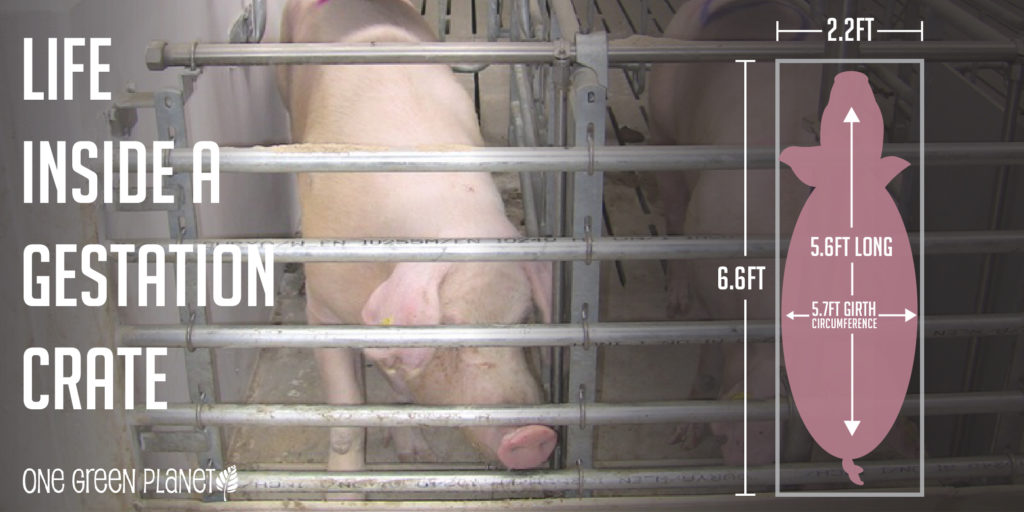
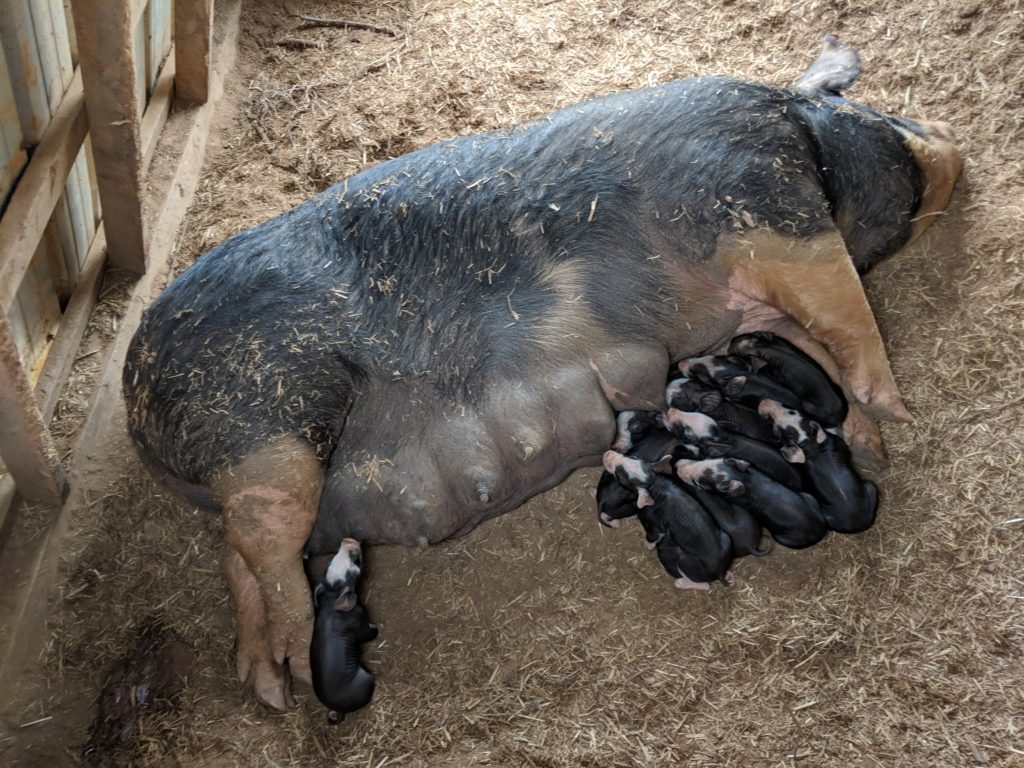
Ours: Mother pigs live and birth naturally and are never confined to crates.
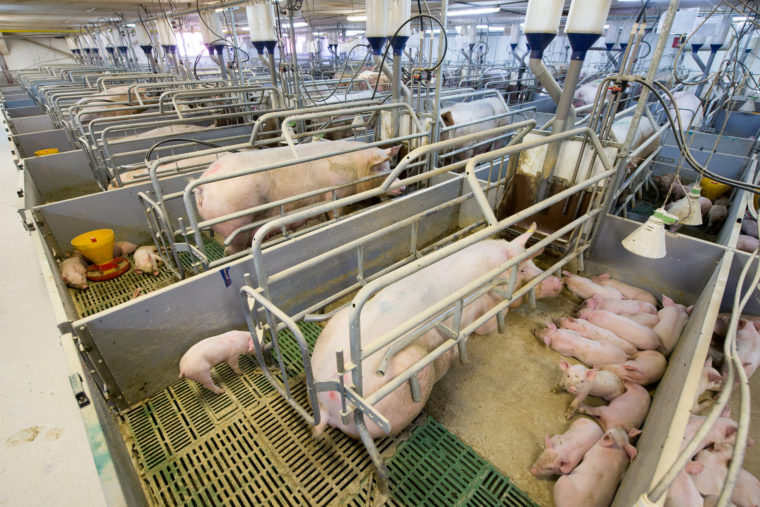
Theirs: Mother pigs confined to crates for the entirety of adult life.

Ours: Raised in an outdoor immune-building environment.
Theirs: Raised in sterile environments promoting weak immune systems.

Ours: Strong immune systems that negate the need for medications. 
Theirs: Weak immune systems that require drugs and antibiotics for survival.

Ours: Allowed to grow naturally and accumulate healthy body fat.
Theirs: Fed drugs like Paylean to promote lean muscle growth.

Ours: Enjoy the sunshine and fresh air daily.
Theirs: Subjected to artificial lighting most of their life.

Ours: Raised in smaller groups outdoors.
Theirs: Raised in large building housing a few THOUSAND pigs at a time.

Ours: Natural breeding when they are ready.
Theirs: Planned artificial insemination in crates or gestation pens.

Ours: Time tested hardy Heritage genetics.
Theirs: Fragile hybridized industrial genetics.

Ours: Regenerative mindset: Happier – Slower – Better Health
Theirs: Industrial mindset: Fatter – Faster – Bigger – Cheaper

Ours: 200+ square feet of rotated pasture space per pig.
Theirs: 7.5 square feet of concrete floor space per pig.

To see some of the differences take a look at the photos below.